Bully Proof Your Child Podcast: Structured Bully Education Will Make Teaching Easier
Bully prevention is most effective when it’s consistent, structured, and easy to implement. In this episode of Bully Proof Your Child, we explore how a clear, step-by-step curriculum can make a meaningful difference in helping kids build confidence, empathy, and the skills they need to navigate bullying situations.
Looking for practical advice to help your child deal with bullying? Enroll in our online course and get weekly lessons packed with actionable tips to handle the situation with confidence.
We discuss why one-time assemblies and “zero tolerance” policies often fall short, and how ongoing, guided learning creates lasting change. From roleplay and age-appropriate lessons to practical ways parents, teachers, and community leaders can integrate these teachings into everyday routines, this conversation highlights how structured programs like MAP STARS provide a shared language and a clear roadmap for supporting kids.
Whether you’re a parent, educator, or someone working in camps or after-school programs, this episode offers practical insights and inspiration to help you create a supportive environment where children can thrive and learn to manage conflict with respect.
Podcast Transcript
Why a Structured Bully Prevention Curriculum Matters
Today, we’re exploring why a clear, structured curriculum makes all the difference in bully prevention and building confidence. Whether you’re a parent, teacher, or someone working in camps or after-school programs, having a step-by-step guide helps everyone feel more confident and prepared.
We’ve found that this really matters because, too often, bully prevention efforts are piecemeal. There’s an assembly here or a quick conversation there, but bullying is an extremely complex issue, and kids need regular, guided learning to build these lasting skills. And as adults teaching this, we really need an easy plan to follow.
The Benefits of a Consistent and Structured Approach
In this episode, we’ll explore how structure helps both kids and adults, why a solid curriculum often leads to better outcomes, and how you can use this resource in schools, homes, and camps, or even start your own program if one doesn’t exist in your area. Kids and adults often do better when lessons build over time, and a curriculum helps reinforce key ideas through repetition and growth.
Kids have a more vivid imagination than adults. So if you’re consistent in how you present the material and provide lesson plans through clearly planned initiatives, children can follow along and keep those ideas in mind as they move forward. It takes much of the guesswork out.
Moving Beyond One-Time Bullying Assemblies
Often, bullying is approached in a haphazard way, with people simply saying, “Oh, that’s terrible. Oh, my goodness. Who did this to you? That’s so wrong.” But with a structured curriculum, you can actually explain to the child why this is happening and what he or she can do to prevent it.
It makes things very clear. And as an adult teaching this, it helps ensure you stay on track and avoid introducing concepts that may be above the child’s level or that don’t necessarily make sense in the situation.
It really helps build that consistency over time and helps children truly understand what you’re talking about, because a clear guideline for the teacher provides a clear guideline for the students as well. And as a teacher, the approach is often simply, “Stop it, be nice.” But that can have a different meaning for everyone.
Creating a Shared Language Around Bullying
And it’s rather an amorphous statement. Children do much better with specified steps that they can follow to identify the behavior and understand how to address it. Just saying, “Don’t be mean,” isn’t enough. Instead, it helps create a common language that everyone can understand and use.
And when everyone is using that common language, whether it’s the teacher, the whole school, parents, or kids, everyone can communicate about what’s happening and understand it more clearly. Having a clear curriculum also makes it easy to teach age-appropriate lessons, because all kids, regardless of their age, need the space to talk, be heard, and work through difficult experiences. It simply looks different at different stages of development.
Our Best-Selling Resources
-

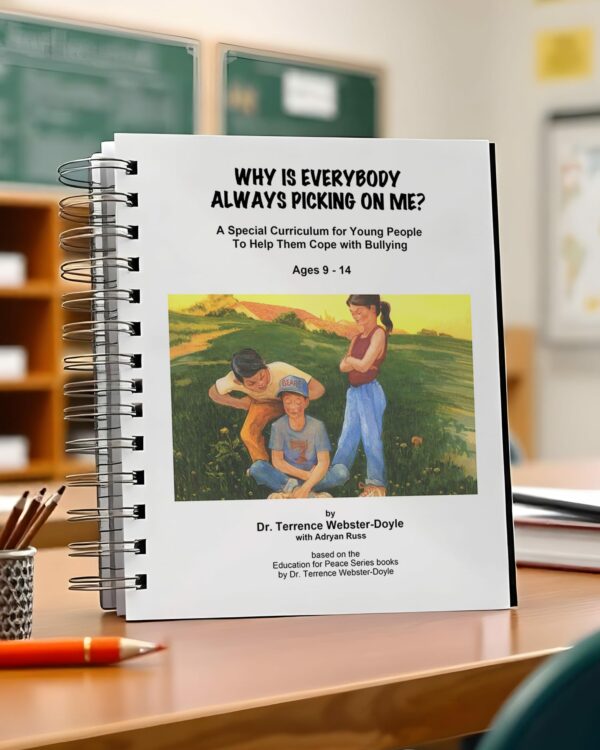
Why is Everybody Always Picking on Me? Curriculum
Available from $0 -
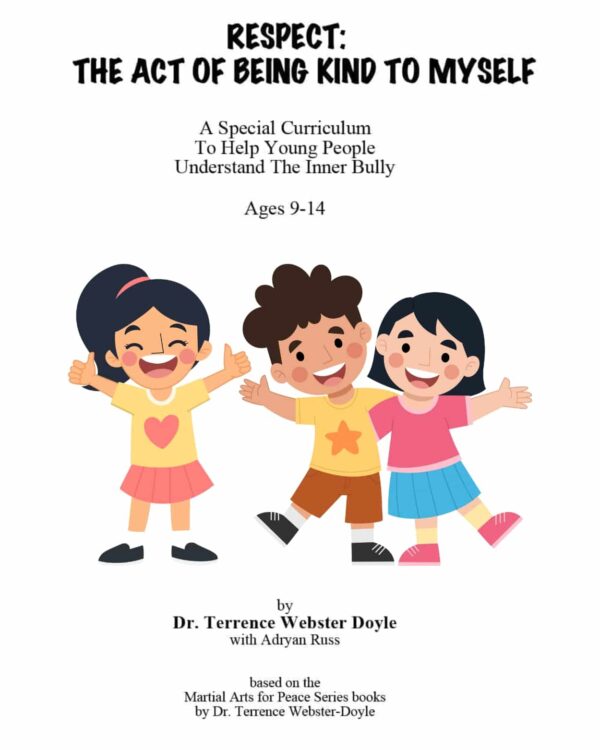
Respect: The Act of Being Kind to Myself
Available from $0 -
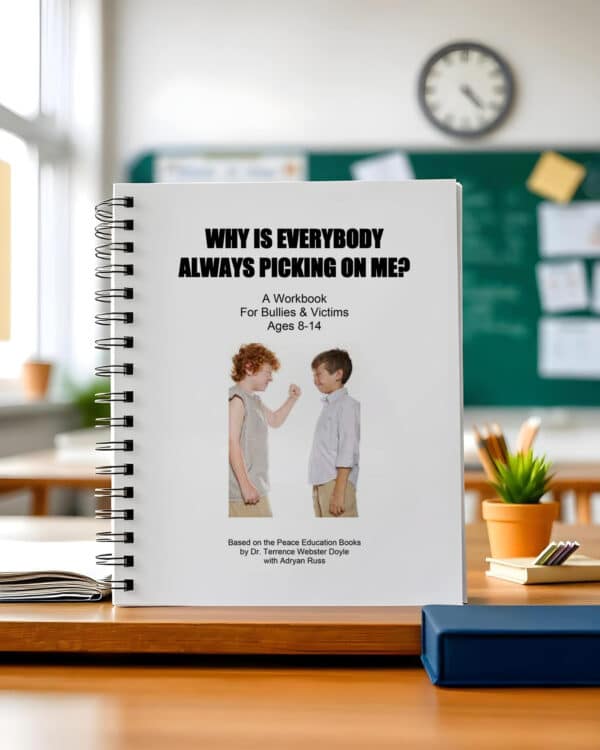
Why Is Everybody Always Picking On Me? Workbook
Available from $0 -
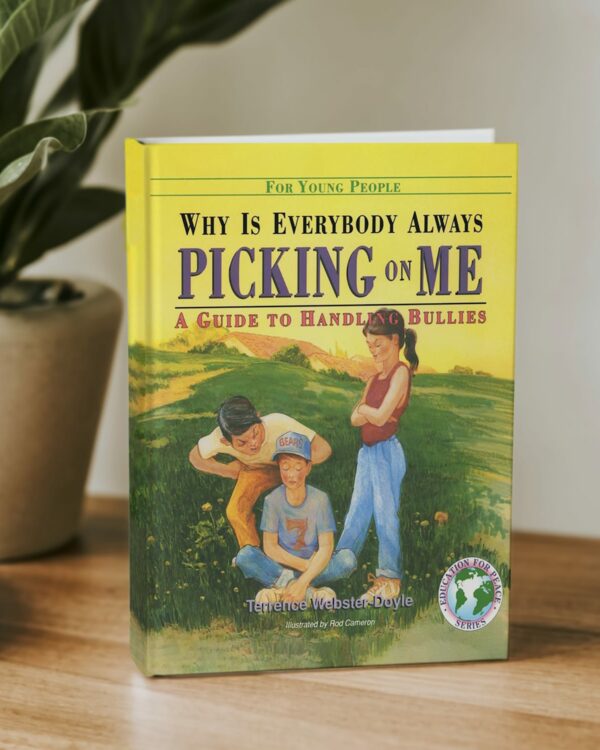
Why is Everybody Always Picking on Me? Book
Available from $0 -
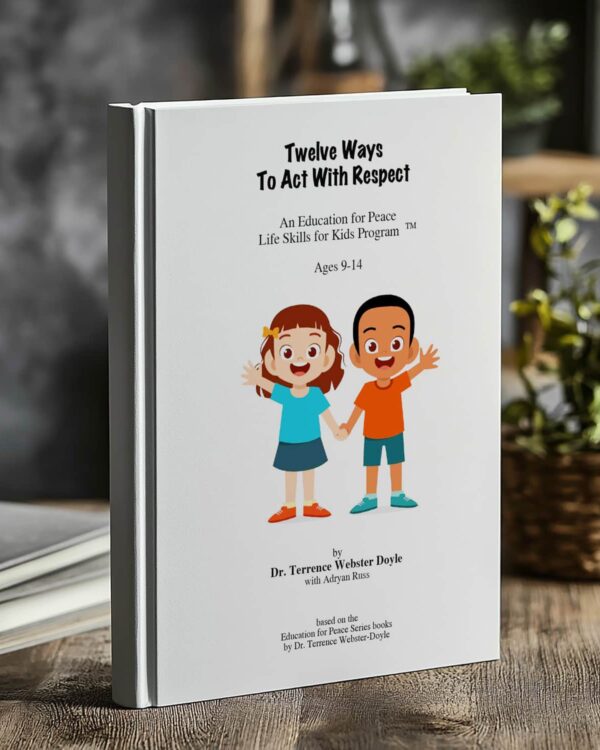
12 Ways to Act With Respect Curriculum
Available from $0 -
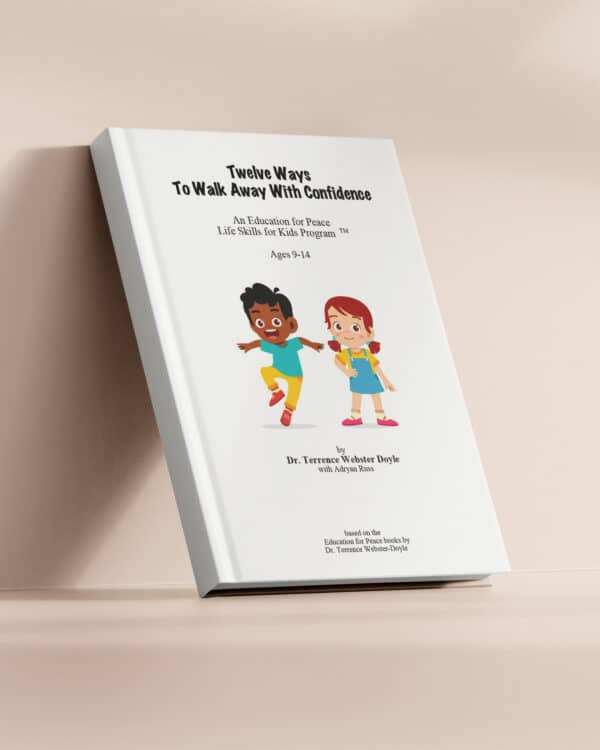
12 Ways to Walk Away with Confidence Curriculum
Available from $0 -
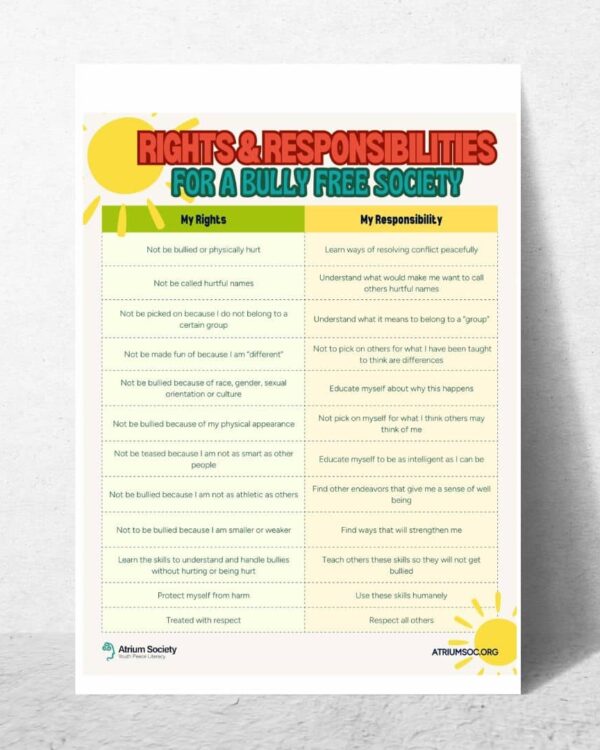
Rights & Responsibilities for a Bully-Free Society
Available from $0 -
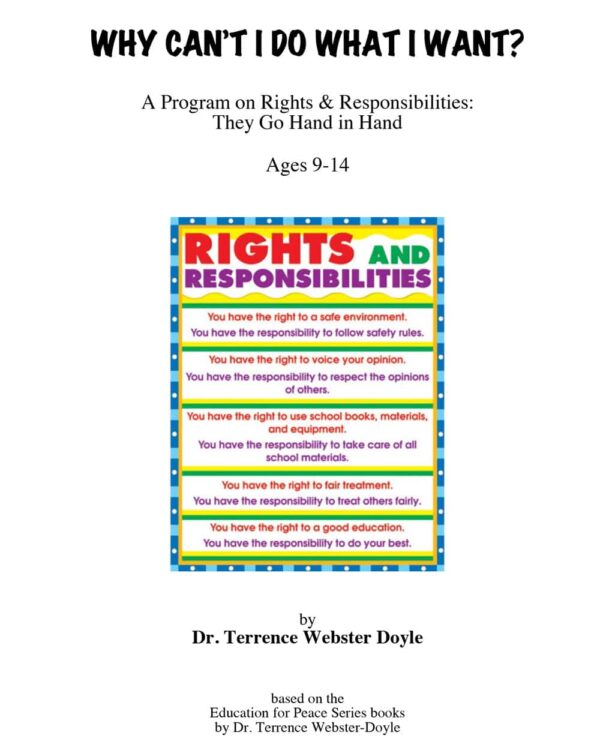
Why Can’t I Do What I Want? Curriculum
Available from $0 -
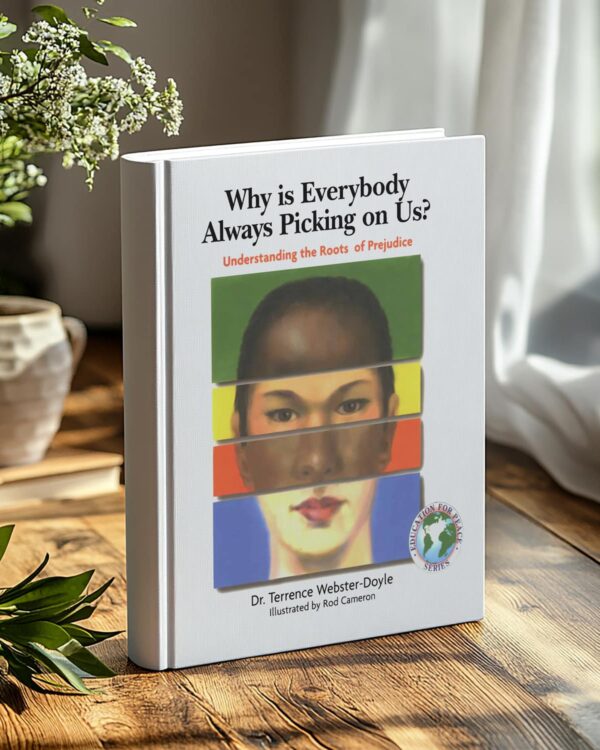
Why is Everybody Always Picking on Us? Book
Available from $0 -
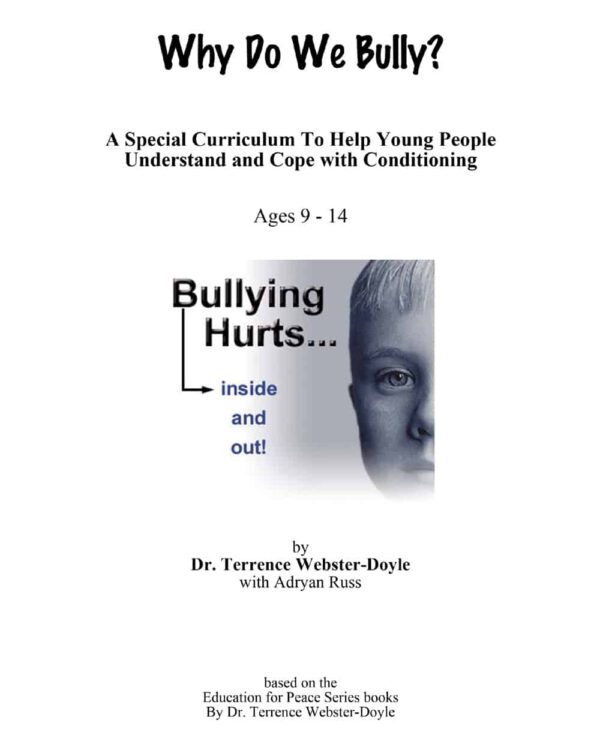
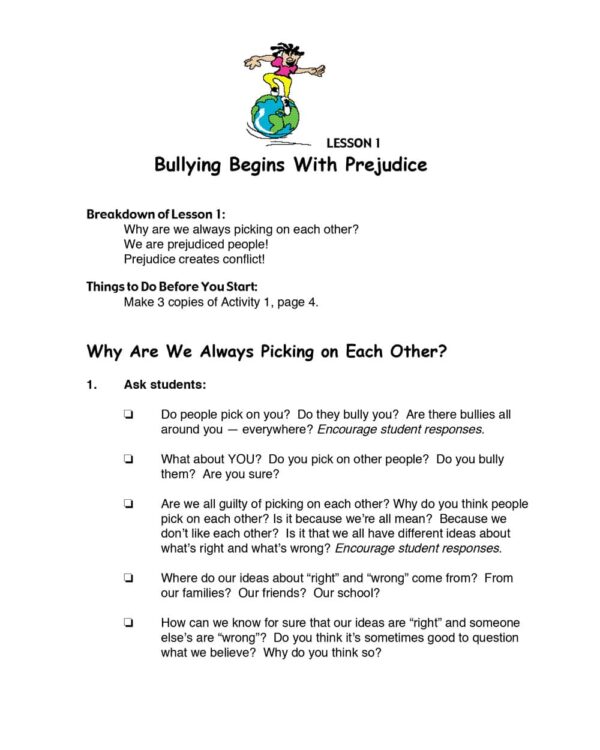
Why Do We Bully? Curriculum
Available from $0 -
The Complete Bully Busting Program
Available from $0 -
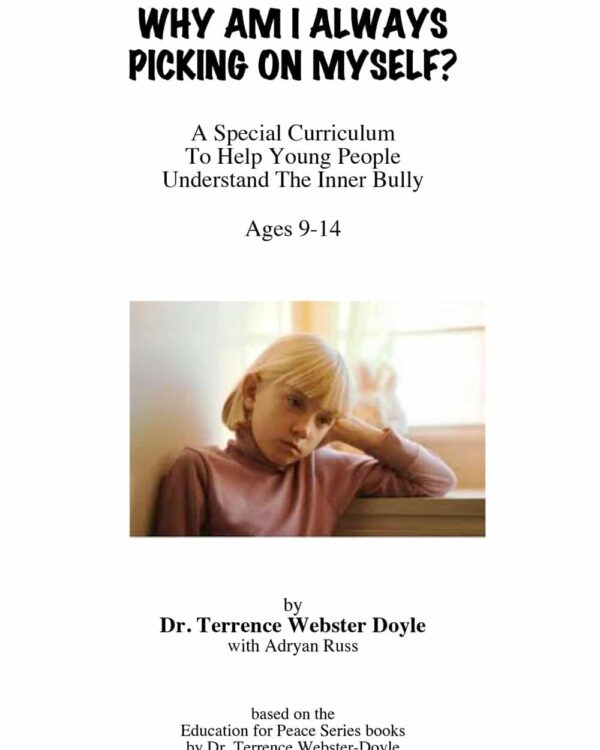
Why Am I Always Picking on Myself? Curriculum
Available from $0
Teaching Age-Appropriate Bullying Prevention Lessons
While you might be able to have very deep conversations with older teenagers, you likely need to scale that back for younger kids. You still need to talk with them and hear what they’re saying, but using a curriculum with simpler language for younger children makes it much easier to lead those discussions.
The Power of Roleplay in Bully Prevention
And the best lessons are the ones that kids can actively participate in, getting hands-on and engaging with the material. Our curriculum at MAP STARS includes roleplay.
Roleplay places the child in the situation of either being the bully or the victim, which allows them to practice solutions for navigating those scenarios. The benefit of roleplay is that it helps them experience the situation firsthand and reinforce their learning in a meaningful way.
So even if they don’t encounter that exact situation in real life, it gives them a basis for understanding how they can approach it, how to respond, and how they might be feeling. Being in a roleplay within a safe environment allows them to process their emotions, process their feelings, and think about what they’re going to say when they do encounter something like that in real life. It also helps them branch out a little bit.
I’ve noticed that when teaching the MAP STARS program, some kids will say, “Well, it really wasn’t that he was threatening me. What he was doing was making fun of me.” So you can branch your roleplay off into that. The child becomes very active in the process and helps lead the discussion toward the specific problem he or she is experiencing.
Those roleplays can be adjusted so you can see the specific challenges the kids you’re working with are facing and tailor them to match the situations they’re going through, which makes the experience more helpful for them. I think it’s valuable for all settings, classrooms, homes, camps, and after-school groups. Anyone who works with kids could benefit from the MAP STARS program.
Flexible Implementation of the MAP STARS Program
There are many different ways to use the MAP STARS program. You can use it in the classroom for 15 minutes before starting the day or 15 minutes after lunch. If you’re running a summer camp, you might use a more comprehensive lesson plan.
It’s very easy to adjust to your teaching needs. As a parent, you can also use it at home. Again, with short 15-minute activities that you can go through daily.
Because it’s not a one-and-done approach. You don’t simply hold a seminar and say, “This is about bullying,” and then end it there. You’re all set. You’re ready to go forth.
Why Zero Tolerance Policies Are Not Enough
That’s what I remember most from school. We would have bullying assemblies, but nothing really beyond that. Bullying is happening all the time, so we need consistent education around it. Just one assembly once a year is not nearly enough.
No, it’s not. And then, unfortunately, you often hear the buzzword “zero tolerance” for bullying. But what does that really mean? You need a shared language that comes from teaching it in a very specific way. When children truly understand what it means, they can apply it in their everyday lives and begin to change how they approach situations.
And does zero tolerance fix the problem? No, it doesn’t. You need to work with both the victims and the children displaying bullying behavior to truly understand the root of the issue. Simply imposing punishment is not nearly enough.
Evidence-Based Bullying Prevention: The Work of Dr. Terrence Webster-Doyle
If you’re interested in learning about or using a program that has a very structured and plug-and-play format, MAP STARS is a great option, which we’ve been discussing. It’s our signature online program. We also offer many PDF programs, all developed by Dr. Terrence Webster-Doyle, who brings over 40 years of experience.
He was quite a remarkable man and conducted many studies on bullying. His work provides strong evidence that his curriculum is effective.
Many of the resources have been widely used. For example, there was a program in Halifax that implemented an early version of MAP STARS with youth and saw significant improvements in how the children were behaving, which is quite incredible.
Dr. Webster-Doyle’s premise was that violent behavior is triggered by the fight-or-flight instinct. He believed that if you could address and reduce the fear component of that response, it would diminish the tendency for children to act violently. Simply put, he taught the MAP STARS brand of martial arts to at-risk youth who were exhibiting violent behavior.
And the counselors noticed that, over a period of time, the children became less violent. The conclusion was that they had developed the confidence to defend themselves, so they were no longer frightened into lashing out. That was the key takeaway.
It seemed like very solid evidence from what I saw, which is quite incredible.
Engaging and Accessible Lessons for All Settings
So it depends on the kids you’re working with. They may not all be at-risk youth, but it doesn’t matter because these lessons are highly engaging. There are lots of roleplays and plenty of dialogue.
Kids find them fun, and we’ve received a great deal of positive feedback about how engaged they are. It’s a great program, and it’s available online, so it’s very easy to use. We have videos that demonstrate the different movements included in the program. There are martial arts movements, but they focus on the very basics.
There’s also a strong emphasis on breathing and becoming more mindful of your body, which helps you get to know yourself better. That’s really what it’s all about. In addition, we provide videos that guide you on how to conduct the roleplays and how to run a classroom.
So it’s really very helpful, no matter what setting you’re in, to be able to support kids through this. And although the martial arts components are very basic, Dr. Webster-Doyle found that you don’t need an extensive background in martial arts training to begin accepting the idea that you can protect yourself and think your way through challenging situations.
Easy for Parents and Educators to Implement
You don’t have to be anywhere near a black belt to use it and gain confidence from it. That’s why we created the MAP STARS program, and, quite honestly, all of our programs, to be accessible to anyone.
Whether you choose to participate in a martial arts class or prefer not to, the programs are extremely helpful. They support kids in learning how to manage conflict with respect and provide adults, those teaching the material, with a clear roadmap for guiding and supporting them.
I know that oftentimes there can be some concern from parents, especially if they’re not teachers, about how to go about teaching these lessons. The great thing is that the programs provide very clear roadmaps and include helpful talking points which makes them easy to manage even if you have no teaching experience.
Getting Started with Bully Prevention Programs
What we recommend is starting small, especially if you’re just getting started. If you’re not planning to run a summer camp or a large program, begin with one lesson a week.
It doesn’t have to be more than that. This approach helps build the consistency we’ve been talking about and allows you to feel more comfortable as you manage the program.
You can see how the kids are reacting and be better able to support them through the process. And if you read our newsletter as you begin, you’ll gain an understanding of what a bully is, how a child becomes a bully, the impacts of both being bullied and engaging in bullying behavior, and how to help your child recognize a bully.
Simple Yet Profound Lessons That Create Lasting Change
The MAP STARS program is a curriculum that ultimately provides a solution to bullying.
It does. The lessons are very simple, yet profoundly impactful, which is what makes them so incredible. Something as in-depth as understanding the root of why people behave the way they do might seem overwhelming, especially for kids, but the material is broken down in a way that everyone can easily understand.
And you’ll probably learn something along the way as well, I still do. That’s what’s great about these programs: they’re designed for kids using language that resonates with them, but adults gain so much insight from them too.
Integrating Bully Prevention into SEL and School Programs
Teachers can use this during their SEL time (social-emotional learning time) if they have time set aside for it. MAP STARS or any of our curriculum can be easily incorporated into that period. It also works well during morning meetings, as mentioned before, or after lunch or recess, when kids are more settled after having time outside.
Or you can even have a dedicated bullying unit if that’s something you have the capacity to do. The great thing, as we’ve been saying, is that the curricula are all very structured, so you don’t need to spend a lot of time on preparation. You can start implementing them quite quickly.
Empowering Parents and Communities to Take Action
All right. Now, parents, don’t wait for your school to lead the way. Use these lessons at home to build a foundation so your child can begin to address and manage the effects of bullying.
Maybe start your own program. If your school or community doesn’t have one, a group of parents can come together to address this issue as a small group. That would be great.
Even if you find just one or two other parents who are interested, you can start making a meaningful impact that way. The same tools also apply if you’re running a camp or an after-school program.
These are great for character building and team bonding, and for setting a safe and supportive tone for kids. They work well whether you choose to run a program dedicated to this or incorporate them into your existing program.
Key Takeaways: Building Confidence and Preventing Bullying
So I think the key takeaway is that bully prevention works best when you have structure, a clear and consistent approach, and a curriculum helps make it effective. Kids build confidence as they work with adults through this problem, and you don’t have to do it alone.
With the right support, you can help your kids become well-adjusted and well-equipped to deal with bullying. That’s what we’re all about here.