Bully Proof Your Child Podcast: Why Bullies Aren’t “Bad Kids” & How We Can Help
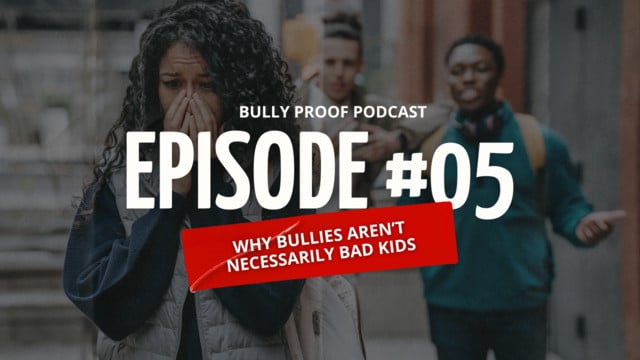
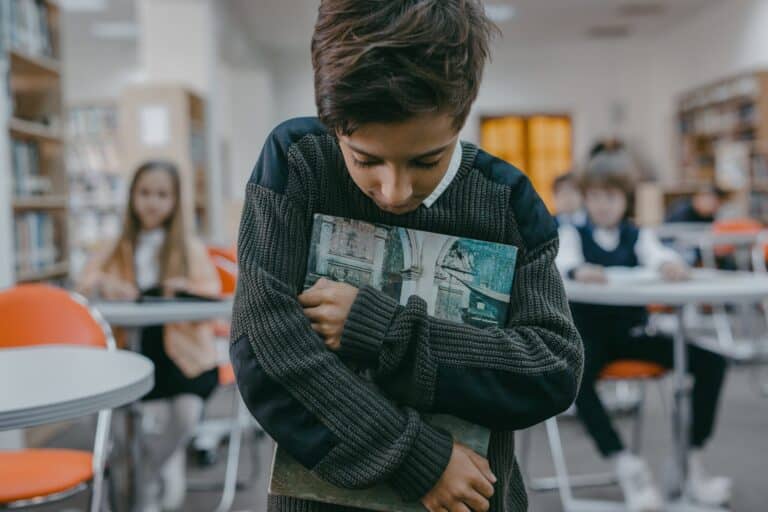
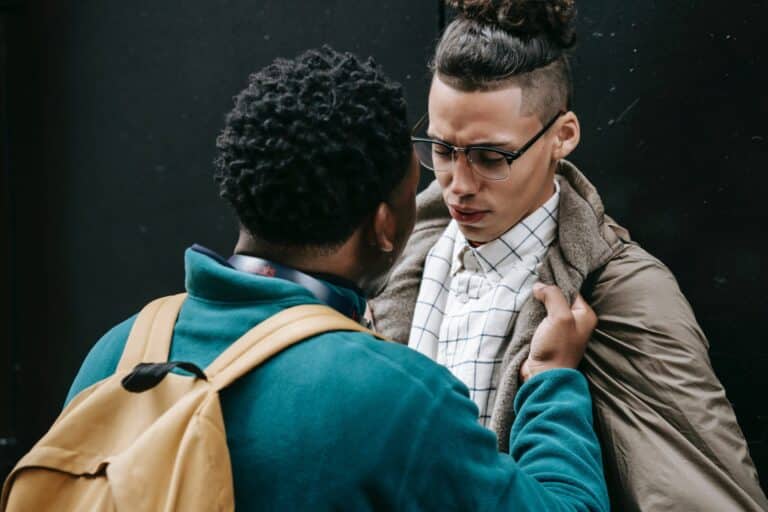
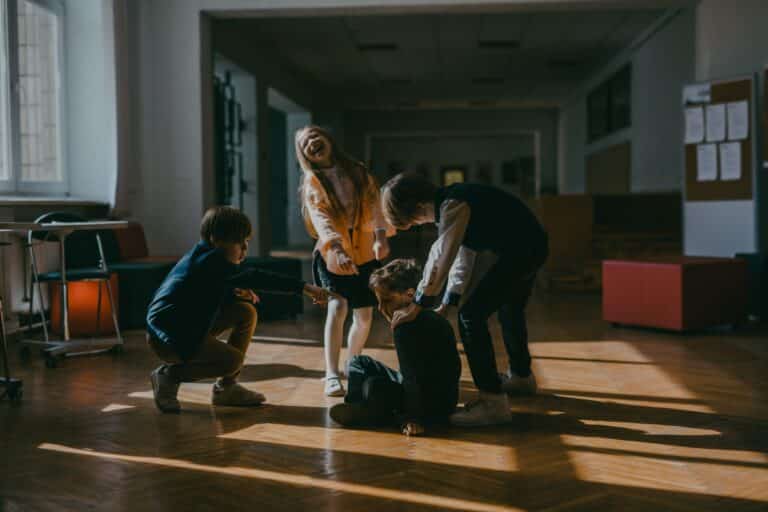
When we think about bullying, it’s easy to label the child displaying the behavior as simply a “bad kid.” But this perspective misses an important truth: many children who bully are struggling with feelings of insecurity, rejection, or a lack of support. Understanding these underlying causes is essential if we want to create lasting change.
In this episode of the Bullyproof Your Child Podcast, we explore why bullies aren’t inherently bad and how parents, teachers, and communities can help break the cycle of bullying. Rather than focusing solely on punishment, we discuss the importance of empathy, mentorship, and social-emotional learning in guiding children toward healthier ways of meeting their needs.
As highlighted in the conversation, many children learn bullying as a quick way to get what they want or as a response to their own experiences of being hurt, which reinforces the need for supportive intervention rather than simple discipline.
If you’re looking for practical insights into bullying prevention, understanding why kids bully, and how to support both the victim and the child displaying bullying behavior, this episode offers valuable guidance. Read the full transcript below to discover how compassion, accountability, and consistent support can help children build confidence and make lasting positive change.
Podcast Transcript
Bullies Are Not “Bad Kids”
Today, we’re going to talk about why bullies aren’t necessarily bad kids and dispel this common misconception. Many people assume that bullies are simply bad kids, which often leads to a strong focus on punishing them while supporting the victim. However, there’s also important work we can do to help those who engage in bullying behavior recognize their actions and learn how to change. It’s absolutely possible for them to turn over a new leaf.
Bullies are often labeled as “bad kids”, and I put that in quotes because there’s a lot we can do to help them, and labeling them doesn’t actually help. Instead, it often continues the cycle of them feeling bad about themselves and moving further down the path of negative behavior.
Why Kids Bully
So today, I thought we could talk about why kids bully and what parents, teachers, and kids themselves can do to help change that behavior. We’ll discuss instances where we’ve seen this happen and how it can positively transform a child’s life by working with them through programs such as MAP STARS] and recognizing that getting them help makes a significant difference.
So let’s talk about the root causes of bullying behavior.
I’ve observed that children often want what they want, and without a clear roadmap for how to get there, some find it very easy to bully. They may simply go over, take something from someone, and walk away. There’s a lesson in that behavior: this direct, aggressive, and expedient approach can quickly get them what they want.
It’s really up to adults and parents to point out, “I know you want the ball, Jimmy, but that’s not the way to do it. You have to ask nicely.” It starts with layering these lessons, and there’s a certain level of respect that needs to be taught. I think that, at a younger age, many children might resort to bullying behaviors if left to their own devices.
The Role of Guidance and Environment
Have you found in your experience, particularly in raising your own children, that they may naturally engage in bullying behaviors, even without seeing role models or others acting that way?
Oh, absolutely. It often starts spontaneously, and children quickly learn, “Hey, that’s how I get what I want,” and they begin to repeat the behavior. With a little gentle correction, they can start to understand how they need to behave with one another, and that learning can go either way depending on the guidance they receive.
Depending on how a parent or teacher addresses that behavior, it can really go down one of two paths. In one, the child recognizes that they need to change their behavior and learns more respectful, cooperative ways to get what they want. In the other, they may be yelled at or punished, which leads to feelings of shame and insecurity, without being taught better ways to meet their needs.
Our Best-Selling Resources
-

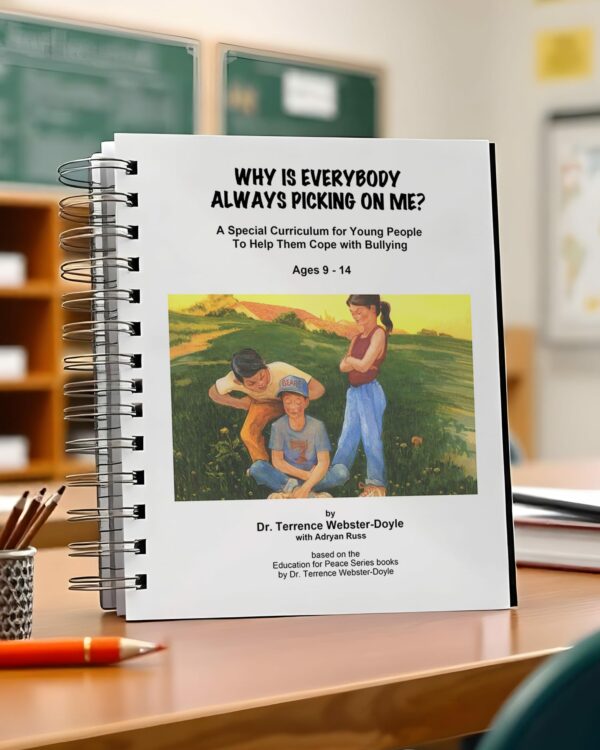
Why is Everybody Always Picking on Me? Curriculum
Available from $0 -
Respect: The Act of Being Kind to Myself
Available from $0 -
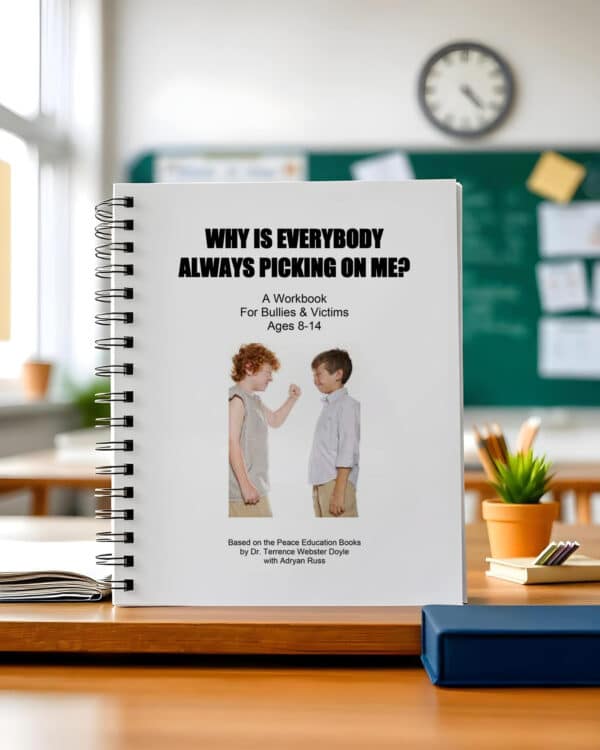
Why Is Everybody Always Picking On Me? Workbook
Available from $0 -
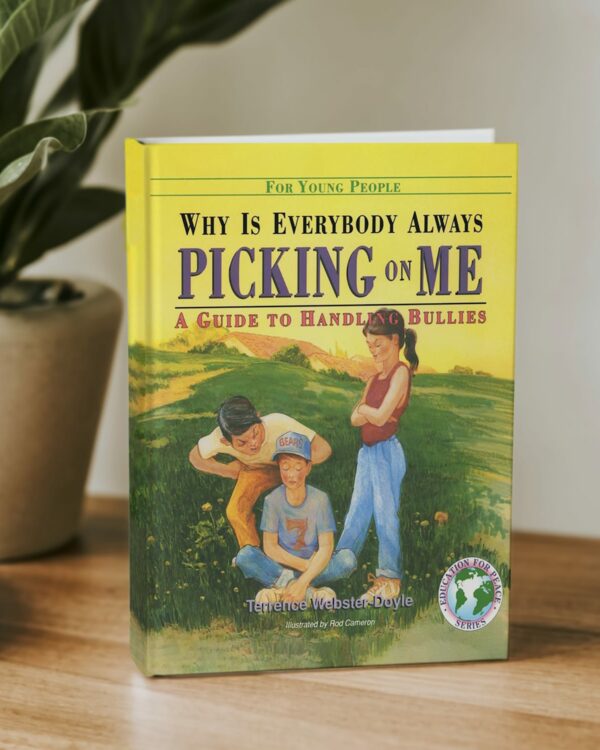
Why is Everybody Always Picking on Me? Book
Available from $0 -
12 Ways to Act With Respect Curriculum
Available from $0 -
12 Ways to Walk Away with Confidence Curriculum
Available from $0 -
Rights & Responsibilities for a Bully-Free Society
Available from $0 -
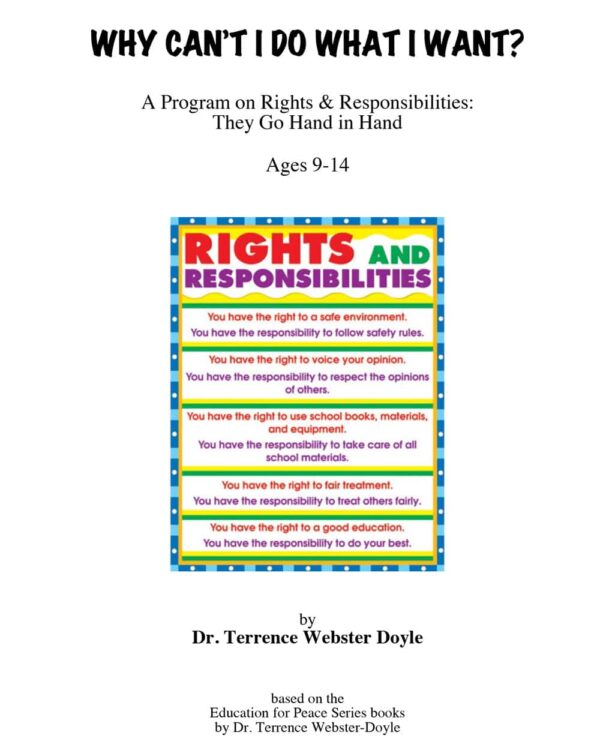
Why Can’t I Do What I Want? Curriculum
Available from $0 -
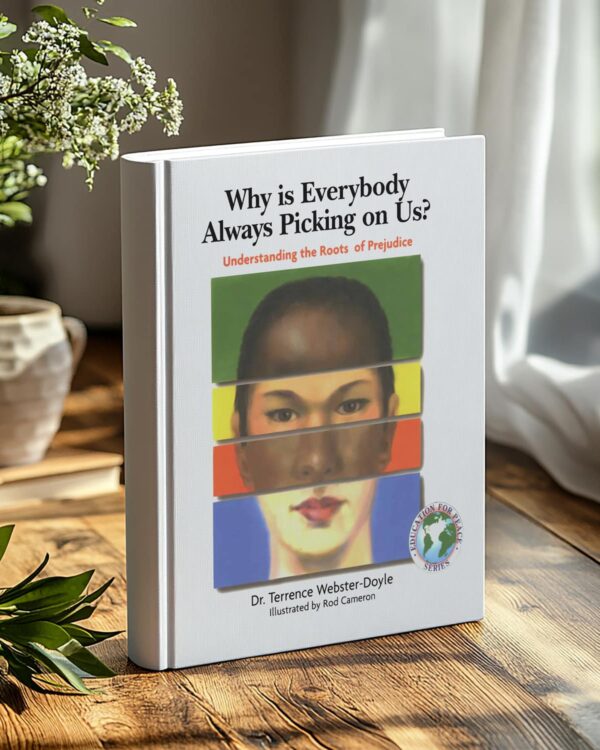
Why is Everybody Always Picking on Us? Book
Available from $0 -
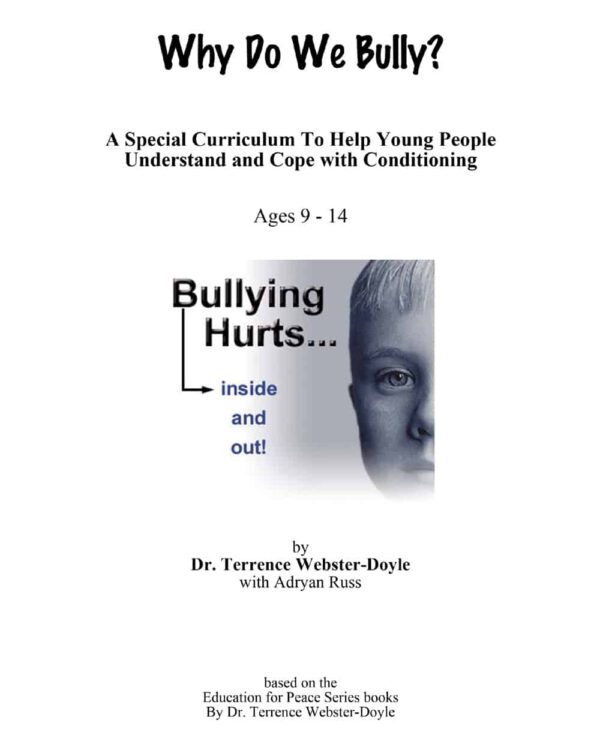
Why Do We Bully? Curriculum
Available from $0 -
The Complete Bully Busting Program
Available from $0 -
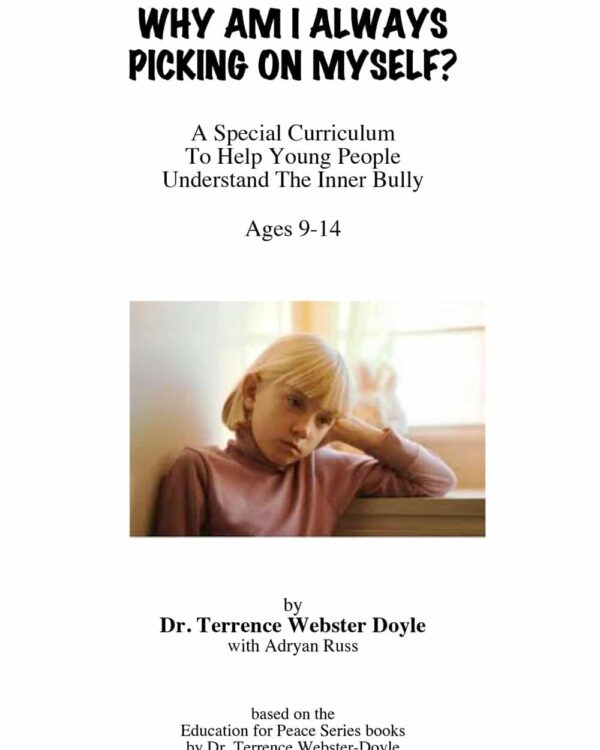
Why Am I Always Picking on Myself? Curriculum
Available from $0

The Cycle of Bullying and Socioeconomic Influences
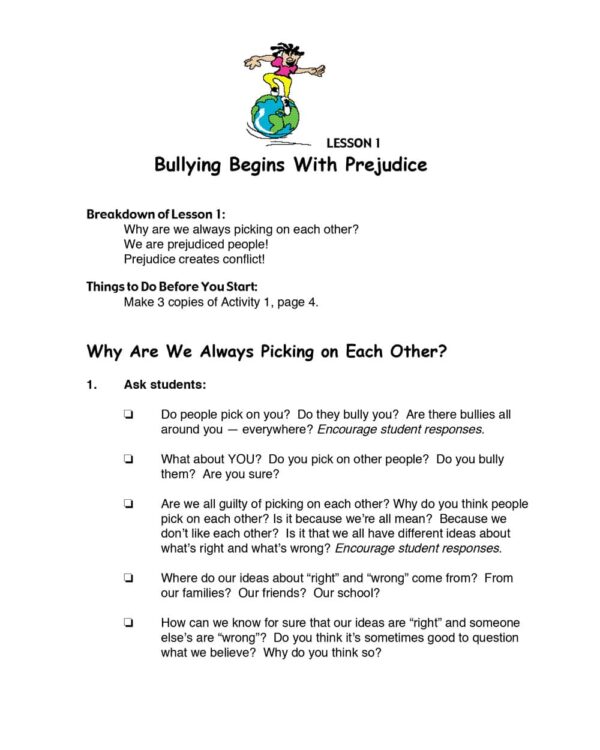
I’ve read numerous articles suggesting that many bullies were themselves bullied while growing up. It becomes a kind of “shock and awe” approach, where they intimidate another child to either get what they want or to make themselves feel better by making someone else feel bad. This creates a vicious cycle that can continue if it isn’t addressed.
Socioeconomics can play a role as well, as at-risk youth often face a higher likelihood of engaging in these behaviors. They may be more likely to go down these “negative paths” because they aren’t given the support they need. In some cases, parents may not know how to address the situation effectively, which makes it difficult for them to support their child in changing their behavior.
I saw a lot of that with single parents and the socioeconomic challenges that often accompany those situations. Many parents simply don’t have enough time to consistently model positive behavior for their children because they’re focused on making ends meet. They come home from a long day, pick their child up from daycare, prepare dinner, get them settled, and put them to bed, which leaves little time for mentorship.
Children in these circumstances may lack consistent guidance and support. As a result, some may be more likely to exhibit bullying behaviors, especially if they experience or witness aggression in their own environments, which can lead them to interact with others in similar ways.
I was recently speaking with a family and their child. The parents came from an addiction background, and at one point, their child was taken away from them. When the child returned to live with them, the parents were a year or two into sobriety, but they still hadn’t fully developed the emotional regulation and skills needed to support themselves. As a result, it was even more difficult for them to help their child, who was struggling after growing up in such an unstable environment.
That’s incredibly traumatic, to remove a child from their environment and then place them into a new one. In response, they often develop self-defense mechanisms, feeling that they must fight for themselves and do whatever is necessary to survive. They begin to carry everything on their own because they feel that their parents or teachers are not there to support them, won’t listen to them, or don’t understand the challenges they’re facing. This lack of support creates a vicious cycle that can be very difficult to break.
The Power of Mentorship
This is where programs like the Big Brothers come in, where you’ve got a mentor who can actually sit and listen to the child and model behavior for them. When I raised my children, I found that they watched my wife, Diane, and me over the years, and their behavior closely resembled ours. They’re always looking for where the boundaries are and how you should behave. Children are incredibly observant, and having a mentor spend time with them goes a long way. We’ve seen that in our business, with community mentors coming in to help some of the kids who are overly aggressive.
Yeah, those programs are wonderful. They’re really impactful, and in an ideal world, they would be in all schools.
Peer Pressure and Escalation
It would be wonderful to have that support for every child displaying bullying behavior as they grow up, particularly when they start school. As they begin to separate from their parents, they’re more likely to encounter negative peer influences, which can create pressure to fit in or even to bully others to avoid being picked on themselves.
It’s often driven by peer pressure. Kids in these kinds of groups tend to egg each other on. They might start by insulting someone just to see what happens, usually within a small group, and over time, their actions can escalate and become more severe.
They can start with small behaviors that people don’t notice right away, but over time, these can escalate into more aggressive forms of bullying. It can become increasingly severe, potentially leading to assault and even criminal charges.
It can really go down a difficult path. And as they get older, they often become more and more unhappy with themselves because this behavior is not readily accepted by society. People begin to cast aspersions, saying things like, “Oh boy, here comes Jerry, watch out. What’s he going to do today?” As a result, the child who bullies may become isolated, with others not wanting to associate with them, which can lead to long-term challenges.
It does, yeah. Isolation is never going to help them change their behavior or feel good about themselves, and feeling good about yourself is such a core component of acting respectfully and developing these positive behaviors.
Oh yeah, I grew up with a child who was kind of a bully.
He was a redhead, and people made fun of him for having bright red, almost orange, hair. That teasing turned him into an aggressive child who would attack you before you could attack him. He became known for causing trouble wherever he went and for upsetting people. I remember this clearly because I used to ride the bus with him. On the way home one day, he said to me, “I don’t understand why nobody likes me.” I don’t think I said much at the time because I was a little apprehensive of him too, but hearing him say that really stayed with me.
When you read all of Dr. Webster-Doyle’s work, you begin to understand that a bully often struggles with self-image.
Absolutely, and I think this is something schools and parents could benefit from more education around; helping all students understand that bullies need support. They often carry a lot of shame, poor self-image, and usually low self-confidence. If both adults and children can recognize this, it can go a long way in helping them. As Terrence Webster-Doyle always said, “A bully needs a friend too.” They have the same needs as everyone else.
I think if we look at how labeling kids as “bad” or as “bullies,” it really doesn’t help them. It creates a lot of shame and closes them off from opportunities to support them, since the focus is often just on punishing them.
Yes, and while it’s important that we focus on the victim, as we absolutely should, it’s also essential to understand why the bully engages in that behavior. If children, both victims and those who bully, can understand the reasons behind bullying and recognize that bullies need friends too, it can make a meaningful difference.
When I was teaching the bullying program in martial arts, we would have the class sit in a circle and go around the room.
I would ask questions like, “What is a bully? What does a bully say? Why do you think they become bullies? Are you bullies? Has anyone here bullied their little sister?” You’d often see a lot of hands go up, which created an opportunity for understanding and insight into what a child who bullies might be going through.
Building Empathy and Understanding
Recognizing that we’ve all been bullies at some point is a powerful realization. Being able to acknowledge that within yourself helps build empathy and compassion for what others are experiencing when they display bullying behavior.
Yes, yes, and nonetheless, you still have to deal with the bully and diffuse any harm coming your way, but it really helps to have insight into why bullies behave the way they do.
Absolutely. It gives you a much deeper understanding and allows you to approach them on a more level playing field by showing that you want to help them. The goal is to increase their self-confidence, build their self-respect, and dispel some of the shame they carry from constantly being labeled as a terrible person.
Yes, and they can feel that people do not like them. They can sense it just by looking at others, it’s a very strong energy.
Yes. So, it’s definitely a problem. I spend most of my time dealing with the victims of bullying.
Yeah, which is what most people do. Most programs focus on them as well.
Right, because by the time I get involved, it’s already a significant issue, and the bully has often been engaging in the behavior for quite some time. As a result, it’s not as easy to help the bully change as it is to teach the victim how to deal with the situation.
There are really two areas of prevention. On one hand, you can help the victim understand how to manage and prevent bullying from their side, and on the other, you can help the child who is bullying learn not to engage in that behavior in the first place. These two levels of prevention work together to reduce the overall amount of bullying that occurs.
I think that, especially with young children, one of the easiest ways to stop bullying is to gently point out that the behavior is not acceptable. You can say, “That’s not the way we’re going to do this. That’s not the way to treat Johnny. How would you feel?” Teaching children to consider others’ feelings, by embracing the idea of “do unto others as you would have them do unto you”, is one of the most important lessons we can share.
“How would you feel if someone just grabbed your pen out of your hand, took your lunch, or insulted you? How does that make you feel?”
When you’re teaching lessons on bullying, do you find there’s a big difference between working with very young kids versus teenagers?
I think younger kids are often easier to work with because they’re more open to direction and guidance. Teenagers, on the other hand, may feel they’ve already decided who they are, which can make change a bit more challenging. However, I’ve found that through martial arts, it’s possible to help teenagers develop humility after months of working toward mastering something very difficult. We also incorporated sparring, which can be controversial, but it was carefully controlled, just light touch, punch, kick, touch, to teach discipline and respect.
So the aggressive bully, who may have judged another classmate to be passive and easygoing, suddenly finds themselves with their hands full during sparring. No one gets hurt, but a powerful lesson is learned: you can’t judge a book by its cover, and others don’t necessarily fear you the way you might expect.
I’ve seen many kids develop a sense of humility that they didn’t have before they started taking classes.
The Role of Martial Arts and Structured Activities
And this is why I keep going back to martial arts. I think it’s so beneficial, even in small doses, because there’s a clear structural order to the class, and the norms emphasize respect for one another. We bow to each other, we bow to the instructor, and we say “yes, sir” or “no, sir”; not so much because of the titles, but because of the respect they represent.
We treat each other in a way that is mutually respectful, and then we begin the process of learning the martial art. Through the effort involved and the respect expected in the classroom, those values tend to carry over into other areas of life.
And I’ve had parents tell me that their son or daughter, who previously wouldn’t look people in the eye, began making eye contact and engaging with others through this environment of mutual respect. It really is a recipe for success, and children quickly learn that this is how they are accepted and liked, which is something both the child who bullies and the child who is victimized are seeking.
They feel valued when they fit into the expected norm, which is rooted in respect, peace, understanding, courtesy, and caring. These principles can go a long way in shaping positive behavior and relationships.
What are some other things that parents and adults can be doing to help children?
The Importance of Positive Activities and Friendships
Well, I think keeping them busy is important. I really do. Enrolling them in activities they enjoy, arts and crafts, basketball, sports, dance, or whatever interests them, can make a big difference. Getting them involved gives them opportunities to interact with others and learn how to relate to people in positive ways.
This is the whole idea. Sally can’t be bullying Nancy in a dance class, it just doesn’t happen. You’re not going to be bullied in an arts and crafts class when everyone is focused on creating something beautiful. There’s simply no room for that kind of behavior.
So when children are given less idle time and are kept involved in positive activities, these experiences naturally help build character. They really do. And typically, there’s also adult oversight, which provides guidance and reinforces respectful behavior.
So there’s a norm, and when children get used to that, I think there’s less of a propensity to bully. I haven’t read anything specifically to this effect, but it just seems like common sense to me.
For sure. There’s probably also something to be said for taking children out of an environment where they’re used to bullying and placing them in a completely different one.
Oh, yes. In fact, I’ve done that as a parent. I’ve seen a couple of kids that I did not want my son hanging around with, and I intervened immediately.
That’s really the role of the parent. You need to be paying attention, talking with your child, and maintaining that dialogue, especially when it comes to who their friends are. It’s important to stay aware of the influences in their lives.
Well, that’s it. I can still hear my mother’s words when she was raising me. She would always say, “Show me your friends, and I’ll tell you who you are.” That really hit me like a ton of bricks and made me realize that I needed to be careful about the kind of people I chose to spend time with.
Absolutely. Well, what’s that saying? It’s that you’re most like the five people you spend most time with. I think that’s a pretty common and meaningful idea.
It’s true. You can’t expect to spend time with negative influences and not be affected by them.
No, right. Right. You know, and the same applies in the opposite direction.
Teaching Accountability and Empathy
Something I do think is important is teaching kids accountability. They need to be able to recognize what they’ve done and, when necessary, apologize or make amends to the people they’ve hurt. I believe that goes a long way in helping them understand the impact of their actions.
Yeah, 100%. It really is. And it’s easy to think you’re being accountable if you’re not actually facing the people you’ve hurt. I think there’s a whole new level of accountability when you have to look them in the eye and say, “I’m sorry.” That’s a hard thing to do.
It is. Growing up, it can become a little easier as an adult, but only if you’ve practiced it. If you’ve never practiced it, it’s going to be a very difficult thing to do.
Oh, I know. I’ve seen some parents say, “Say you’re sorry,” and the child responds with a quick, “Yeah, sorry.” But instead, it’s important to encourage them to say it like they mean it. So it makes that uncomfortable moment a little longer and more meaningful until you can truly show that you mean it.
Well, no, no, no, not if it happens enough. Another helpful approach is continuing to help kids develop empathy. Being able to put yourself in someone else’s shoes and truly understand their feelings is so important. And I think parents can play a significant role in helping.
I think a parent can be in the moment with their child and say, “What if that happened to you? How would that make you feel? That would be terrible.” This helps get the child thinking along those lines, because I believe children are naturally empathetic.
The Role of Schools and Effective Bullying Programs
We’ve been talking a lot about parents, but there are ways that schools can help with this as well. I know it can sometimes be a strain on resources to implement bullying programs, depending on the type of support being offered, but there is still a great deal that teachers and schools can do to help children who are engaging in bullying behavior.
And I think the first step is recognizing that simply punishing a child is not going to help the situation. There may be consequences, but it’s equally important to correct the behavior and clearly point out what, specifically, is unacceptable.
Yeah, and it’s also essential to help them understand why they’re engaging in that behavior. Encouraging them to look inward and reflect on their actions is very important.
And to know, I mean, children—everyone, really—wants to understand where the boundaries are. Children, teenagers, and adults all benefit from knowing what is expected of them. When they clearly understand these boundaries and the norms of behavior within them, it can go a long way in curbing bullying.
The school environment plays an important role in establishing these boundaries. As you mentioned earlier, policies like “zero tolerance” don’t always provide the clarity that’s needed. Is it truly zero tolerance? Often, it doesn’t clearly communicate what behaviors are expected or what the specific consequences will be.
And if someone is bullying, it’s important to have programs in place that actually address the behavior.
“Zero tolerance” is a magnificent soundbite, but on its own, it doesn’t necessarily provide the guidance or support needed to create real change.
But most of the programs have nothing behind them. I mean, I’ve never heard of a guidance counselor or principal pulling a child in and clearly explaining what was wrong about their behavior and exactly how they need to change it. I just don’t hear much about that. What I tend to hear instead is, “That’s it, you’re staying after school for three days until three in the afternoon. You’re in detention, and you won’t do it again.”
But nobody has taken the time to point out the implications of bullying: how it makes the other person feel, or to ask, “Why did you do that?” and “What kind of support do you need?” That often doesn’t happen; instead, it’s just pure punishment.
That’s when you really need to bring in the actual impact of bullying and bully prevention programs.
Because children need to understand where the boundaries are, but they also need to grasp the overall framework of behavior. They need to know which standards are acceptable and which are not. When these expectations are clearly explained, they’re more likely to choose the appropriate behaviors because they don’t want to return to negative consequences.
And sometimes you’ll get kids, especially in schools with zero-tolerance policies, who keep asking “why” instead of just accepting the rule as it is. Some kids really want to understand, and you have to take the time to answer that.
If you follow a bullying prevention program like we have, you can actually sit down and explain what a bully is, how it feels to be a bully, how it feels to be bullied, and why the behavior is unacceptable. You can help the child understand how the victim feels, and help the victim understand why the bully behaves the way they do and how they feel as well.
So, I think the greater the level of understanding, the lower the incidence of bullying. It’s really about building empathy.
Social-Emotional Learning and EQ
So, within that, bullying programs need to have a strong focus. It seems like there’s much more attention on this today than there used to be, particularly around social-emotional learning. Terrence always said that it should be taught just like the ABCs, like math, or like social studies, that it needs to be an integral part of education.
And it takes time to learn that. It’s not something you can address by pulling kids in for a single counseling session and considering it done. It’s an ongoing process.
Yeah, we used to refer to it as EQ, or emotional quotient. That was the essence of social learning: looking people in the eye and always treating others with kindness as your first response. Until proven otherwise, you need to treat others with kindness and respect. That begins to set the building blocks for how we interact with everyone we meet. Every interaction becomes, in a sense, a transaction; one rooted in emotional intelligence, or EQ.
It’s a transaction of listening, being kind, understanding what’s being said, or recognizing what the need is, and then responding accordingly.
Final Thoughts: Supporting Change
As we wrap up here, I just want to reiterate that bullies really are not bad kids, and labeling them that way does not help them.
So, we really need to take the time to give them resources, understanding, and support. By doing this, we can help them change their behavior and transform their shame, and, quite honestly, their self-loathing, into self-respect and confidence. You can see a huge change in children when they begin to feel genuinely supported.
And when you teach the victim why a bully engages in that behavior, they can begin to understand that the bully is often the one being bullied at home and is simply reflecting the treatment they receive. The bully often wants something, such as acceptance, attention, or connection, but doesn’t necessarily understand the best way to achieve it.
Yeah, that really boils down to it. And when both kids and adults can understand that, it creates a world of difference.
Yeah, it’s quite incredible to witness the transformation in children. It’s amazing.
So, this week, if you see a child displaying bullying behavior, take the time to ask them what’s going on. Ask them questions about their life. Just hear them out. Listen to them. A lot of the time, they simply want to be heard.
So, that’s our advice for this week: take the time to listen to them, help them, and offer your support.