Bully Proof Your Child Podcast: What is the Bully Victim Cycle?
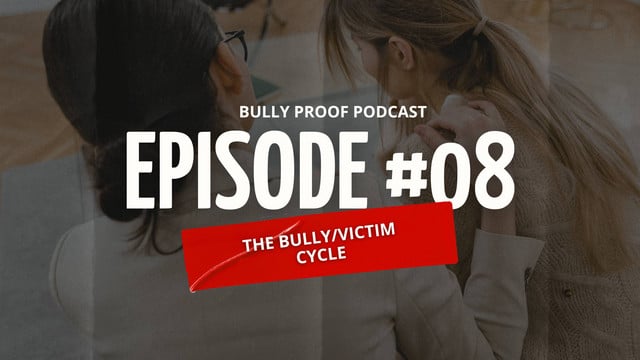
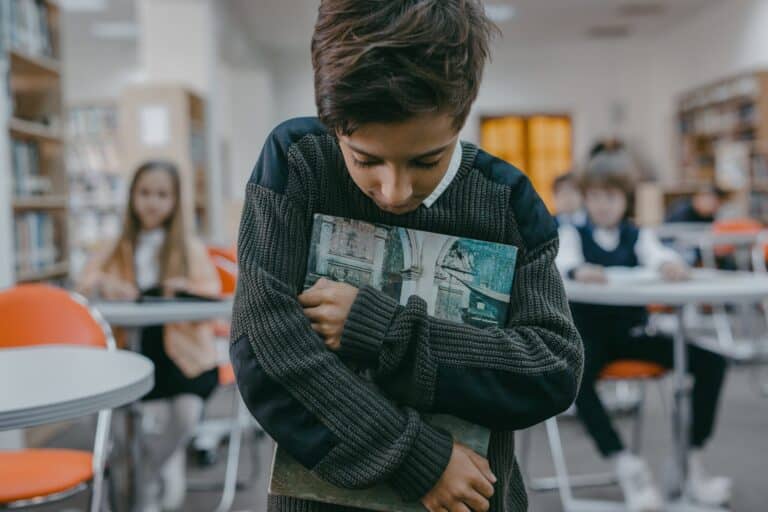
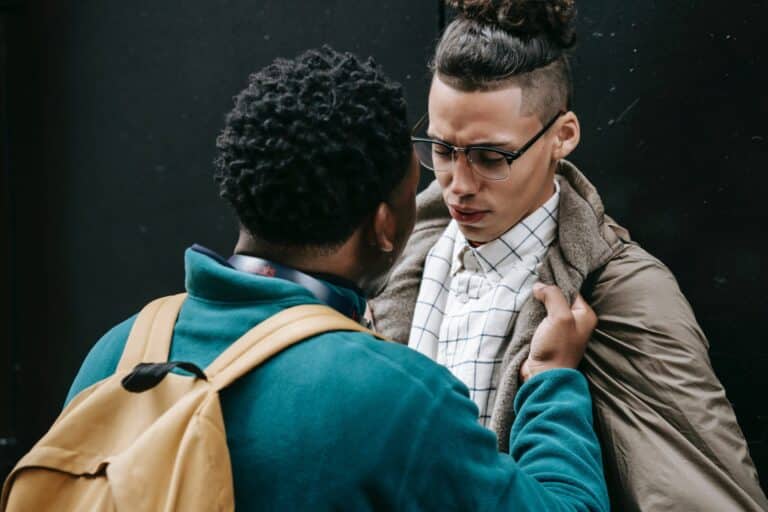
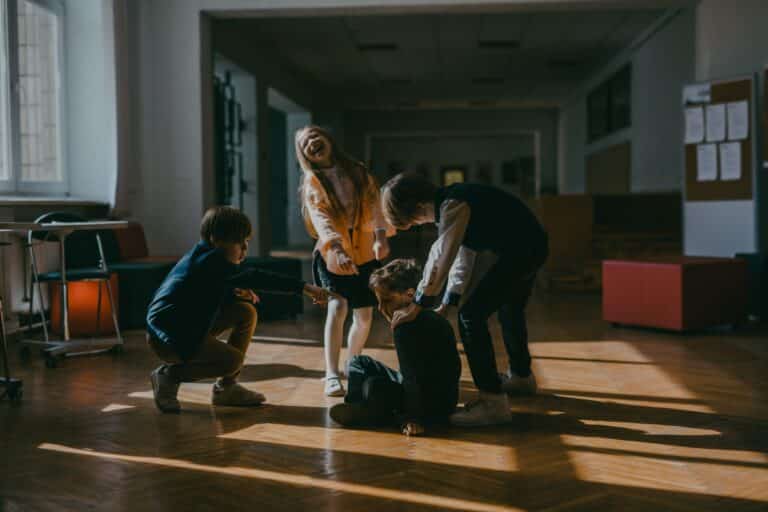
Bullying is often viewed as a simple dynamic between a bully and a victim, but the reality is far more complex. In this episode of Bullyproof Your Child, we explore the concept of the bully-victim cycle, which is the idea that children who experience bullying can sometimes go on to display bullying behaviors themselves.
Rather than acting out of malice, these behaviors often stem from hurt, fear, or a desire to regain a sense of control.
Sam and Gary discuss how this cycle develops, why it can go unnoticed, and how desensitization and social pressure allow it to continue. Drawing on the work and insights of Dr. Terrence Webster-Doyle, they emphasize the importance of looking beyond labels to understand the experiences driving a child’s behavior.
Whether you’re a parent, teacher, or someone working with kids in camps or community programs, this episode offers practical insights and compassionate strategies to help children process their experiences and develop the confidence to navigate challenging social situations.
Podcast Transcript
Understanding the Bully-Victim Cycle
Today we’re going to talk about something that doesn’t get nearly enough attention, and that’s how kids who are bullied and are victims can sometimes become bullies themselves.
This cycle, which Dr. Terrence Webster-Doyle called the bully-victim cycle, is something we’ve mentioned in quite a few episodes so far, so we figured it was time to finally give it the spotlight it deserves.
This cycle is actually quite common and it shows up in classrooms and playgrounds, and even as we become adults. It often starts when you’re being hurt or left out in some way, and eventually that pain can turn into retaliation.
Interrupting the Cycle Through Understanding and Empathy
Understanding this cycle really helps us interrupt it early. So instead of asking, “Why is this child acting out and being so mean?” we can start asking questions like, “What happened to them?”
When we’re able to do that, we can begin to support both the child who’s being hurt and the one who’s causing the harm, and hopefully stop the bully-victim cycle.
So let’s start with the retaliation part of this bully-victim cycle and explore what we mean when we say that.
How Retaliation Appears in Children
Dr. Terrence Webster-Doyle talked about this a lot in his work and how it shows up in kids who’ve been bullied. They don’t necessarily just carry that pain with them, but sometimes they also carry on the behavior. When that hurt isn’t addressed properly, it can come out sideways.
Gary, what does that kind of look like in your experience?
I’ve seen children who are normally quiet suddenly start to lash out and insult other children when they’ve never done that before. That raises a red flag for me that something is going on in this child’s life.
And when you explore a little deeper, get into the second or third layer, you’ll find that someone has been very mean to them, so their natural reaction is to lash out.
They’re trying to feel almost in control or in power again by doing that. I’ve seen boys and girls bully differently.
Different Forms of Bullying: Boys and Girls
I will generalize by saying that girls often do it in a couple of ways. They exclude others. I’ve seen that happen.
And our teachers will go up and intervene and say, “You can’t exclude anyone.” Then we’ll often find that the little girl who was being excluded will sometimes turn around and exclude someone else.
So they’re simply passing that bullying behavior on. An interesting thing to watch for, for sure, as a teacher or a parent.
Boys tend to be a little more direct about it. They’ll insult you or hit you. Girls often do not take that route, but both routes are bullying. They absolutely are.
Mimicking Behavior and the Desire for Control
Do you find that they take on new kinds of behavior or copy what’s been happening to them?
I think they’re copying what’s been happening to them. I think they’ve learned that it’s a transactional behavior. In other words, a boy came up and grabbed another boy’s popcorn and said, “This is mine.”
Well, that child may turn around and see someone he perceives to be weaker than he is and then take something of theirs. So it’s a lot of mimicking, and he’s learning that’s how you get what you want.
It’s very much mimicking the behavior they’re experiencing because they want that sense of control. They don’t want to be treated the way they were, so they turn around and do that to someone else.
Recognizing the Signs of the Bully-Victim Cycle
And that can get quite tricky because it can look like the child has suddenly flipped. Their behavior may seem out of left field, and they may begin to be seen as a “bad” child.
But like you said, if you dig deeper, it’s because of that loop, the bully-victim cycle. They have started to become the bully because that’s what’s been happening to them.
The Power of Group Norms and Shared Language
Yes. In a daycare center, where there are many kids, we can develop norms for the group. “This is how we treat each other. And you can do that in a classroom.” It becomes a little more difficult as a parent.
What’s the difference between a parent and a group situation?
Well, I think there’s a lot of learning that goes on in a group because everyone has a different perspective. So if you’re talking about norms, like “treat others the way you want to be treated,” you’ll get a lot of input. And it means different things to different people.
Like, “Don’t make fun of my haircut,” or “I wouldn’t make fun of your braces.” And it goes around like that.
And I think it gets deeper. A parent can get at the crux of the same thing, but they’re going to have to go through several iterations to work through the subject. That’s because they’re working directly with their one child instead of a group, where shared language and shared expectations can naturally develop.
Our Best-Selling Resources
-

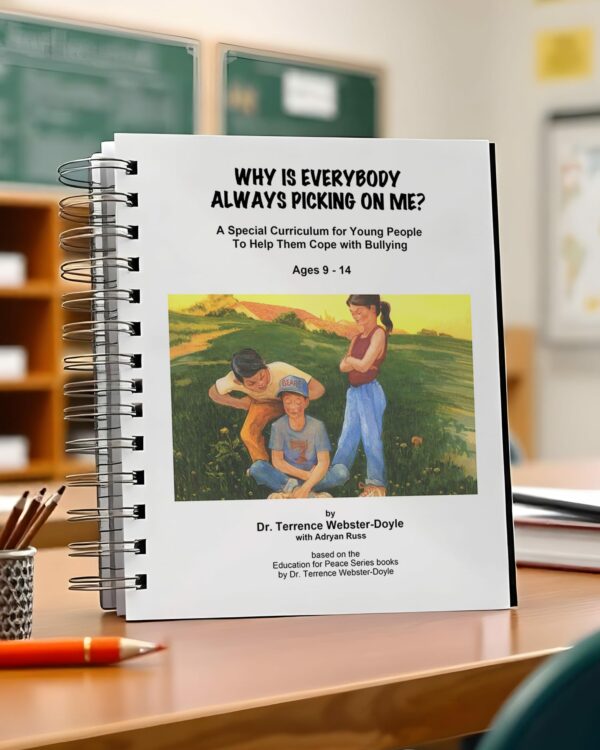
Why is Everybody Always Picking on Me? Curriculum
Available from $0 -
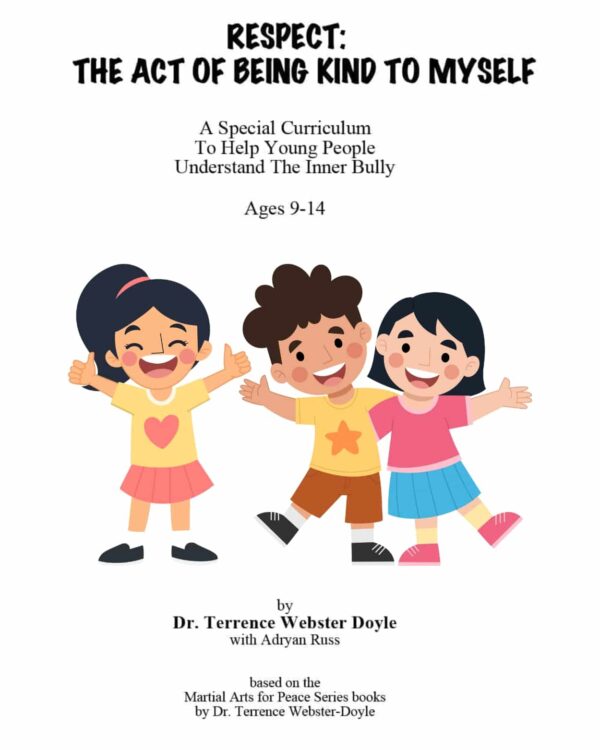
Respect: The Act of Being Kind to Myself
Available from $0 -
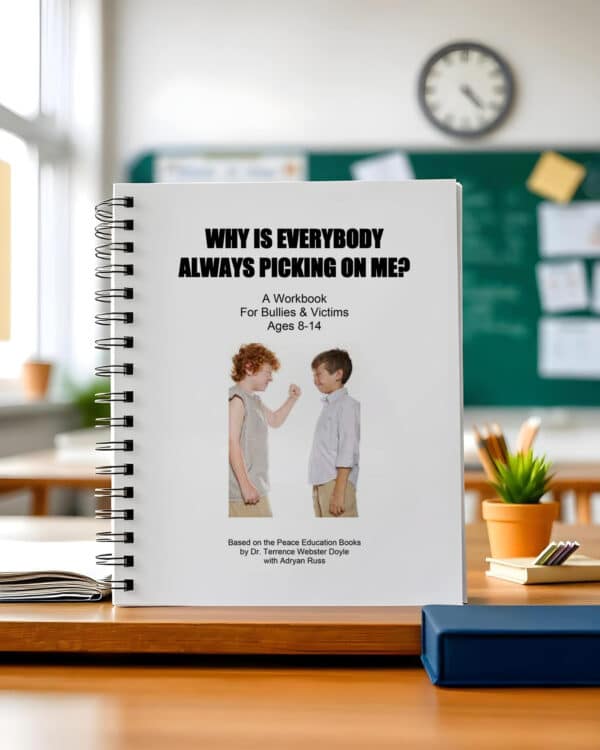
Why Is Everybody Always Picking On Me? Workbook
Available from $0 -
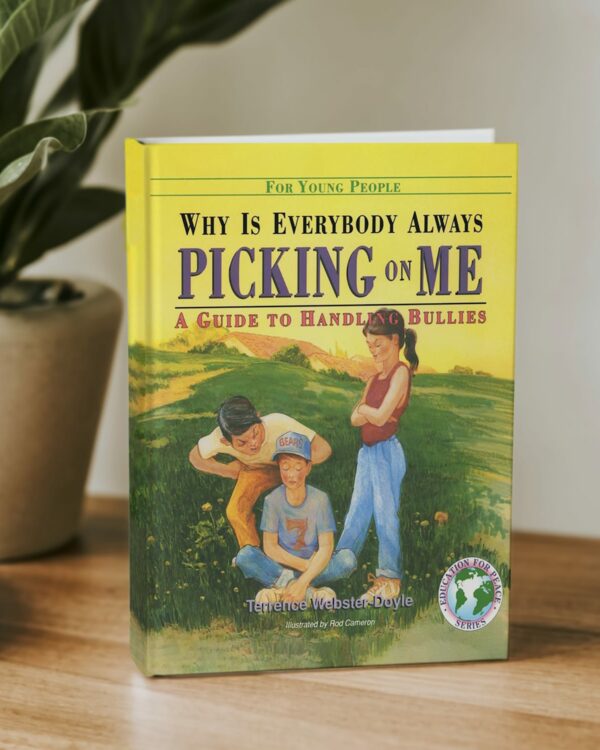
Why is Everybody Always Picking on Me? Book
Available from $0 -
12 Ways to Act With Respect Curriculum
Available from $0 -
12 Ways to Walk Away with Confidence Curriculum
Available from $0 -
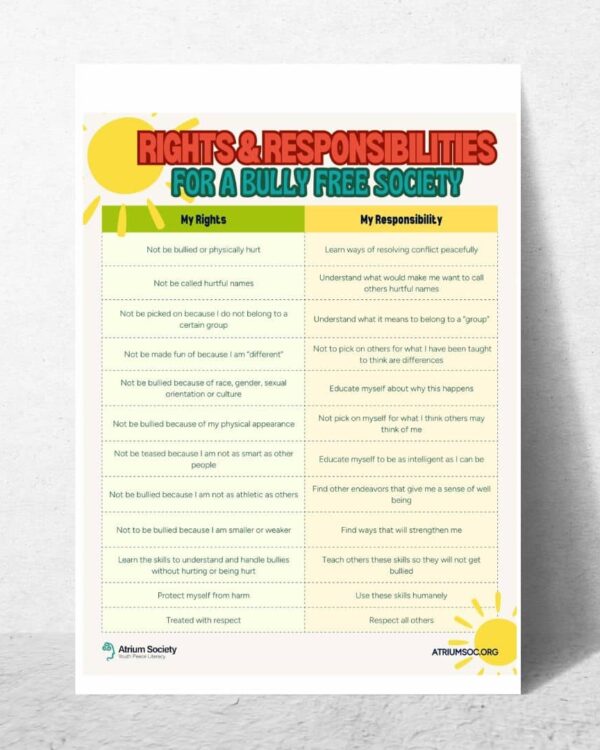
Rights & Responsibilities for a Bully-Free Society
Available from $0 -
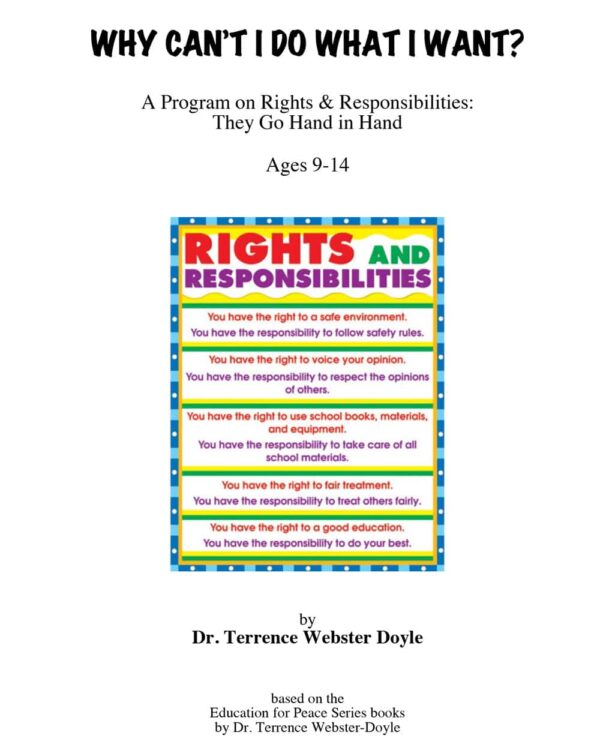
Why Can’t I Do What I Want? Curriculum
Available from $0 -
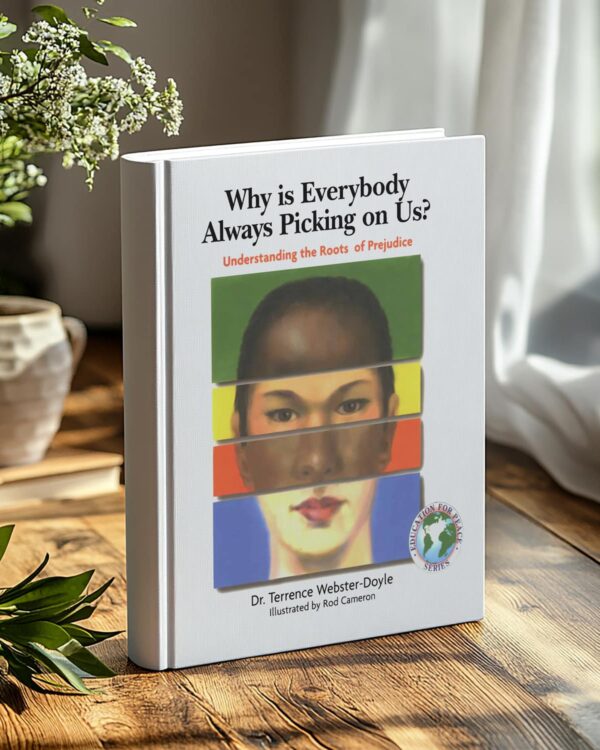
Why is Everybody Always Picking on Us? Book
Available from $0 -
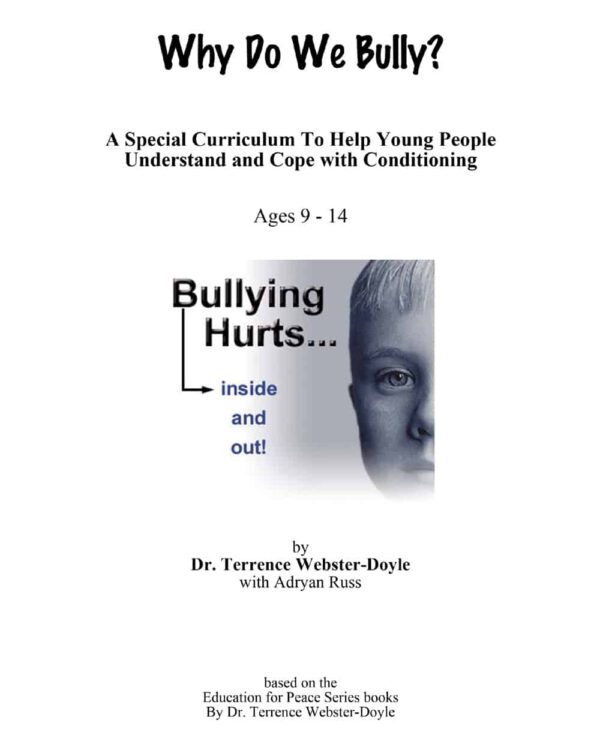
Why Do We Bully? Curriculum
Available from $0 -
The Complete Bully Busting Program
Available from $0 -
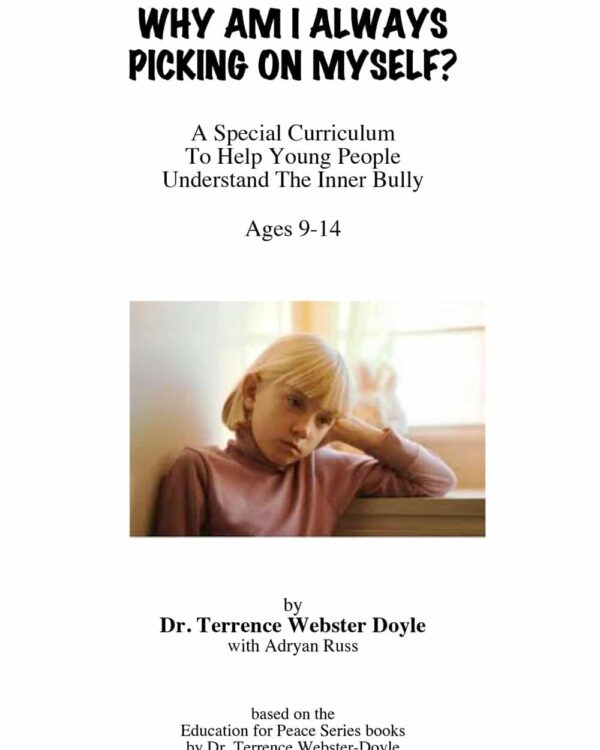
Why Am I Always Picking on Myself? Curriculum
Available from $0
Social Pressure and the Desire to Belong
Rather than it coming across as “Don’t do that,” there’s an explanation of why.
In this kind of retaliation that kids are going through, it can feel like a source of strength for them, especially when they’re not given other tools, such as those that might come from classroom discussions about these situations. And it may feel like the only way they can protect themselves if they’re not being taught how to do it otherwise.
There can also be a lot of social pressure involved, as kids may feel they have to retaliate to avoid being targeted. It’s not just because they have been the target; they may be trying to prevent it from happening again in the first place.
So then they think, “If I go along with the same behavior that others are showing, maybe I can fit in and avoid being targeted myself.” And it can also be a way to gain acceptance from the bully. If you bully others in front of the bully, then maybe the bully isn’t going to bully you. They bring you into their group.
Or even if it’s not into their group, at least you’re not targeted. It’s true.
Looking Beyond Behavior to Understand Root Causes
Another important point is that when we focus only on the bullying behavior without looking behind it, we miss much of the bigger picture that Dr. Terrence Webster-Doyle often spoke about. His approach emphasized having curiosity about the situation rather than outright blaming and making children feel bad about it.
When we can ask questions about what’s going on underneath, instead of asking why they’re being such a “bad” child, we can become more curious about what’s happening and begin to address this cycle instead of just throwing our hands up.
Social Hierarchies and the Influence of “Popular” Groups
In the animal kingdom, there’s a clear pecking order with every species, and that also occurs in humans.
You’re looking for the alpha leader of the pack, and then trying to fit in with that group, so you’ll often mimic what the leader does, whether good or bad. There’s a lot of social pressure involved in that.
Looking in schools, you can see that with the “popular” kids, and they can often be very mean. People seem to want to get into that group, and that’s what happens. They can become some of the worst bullies because they can pick and choose who they want to be friends with, and everybody wants to be friends with them.
When other children on the other end of the spectrum, who feel clumsy and awkward, struggle to make friends, a lot of that can be self-inflicted because of the way they view themselves and their self-image.
Desensitization: When Bullying Becomes Normalized
Talking about retaliation, another aspect that may not be noticed as much is desensitization. We’ve discussed how kids, whether they are being targeted, engaging in bullying, or even acting as bystanders, can start to feel numb to what’s happening.
And the behavior becomes so normal that they stop seeing it as a problem. That’s a significant issue, especially in the popular circles we were talking about. It becomes so normalized that it’s no longer recognized for what it truly is.
Long-Term Impact and the Importance of Intervention
Or it’s the baby brother who has two older brothers who have beaten him up for years, laughed at him, and teased him. He becomes numb to the whole thing. These are the kids who come in and don’t really care if you try to bully them. They’re almost bully-proof.
But trying to change their bullying behavior is more difficult because they’ve grown up in it. That is not easy to do.
Looking outside of the kid situation, desensitization happens on a large scale through the media and the news. When we were younger, hearing about terrible things happening around the world really struck us, but not as much anymore. It sounds horrible to say, but that’s the reality of desensitization.
It struck us much more when we first heard it. But when you’re bombarded with it all the time, your brain almost shuts it off so that it doesn’t affect you as much. It’s not because you don’t care about what’s happening.
It’s almost like a survival mechanism. The same thing can happen with kids: when they’re being bullied all the time and it’s not being addressed, it can fade into the background. Like your example with the boys, if it’s not addressed, they don’t even notice it anymore.
No, they just think that’s a regular way of getting what you want. It becomes just how things go.
So, I’ve seen many times that the youngest in the family can become the most skilled bully, unbelievably adept at getting what they want. They use every avenue available to them.
Do you think that’s because they’ve been watching what’s happening and what’s working for their siblings?
Of course. They’ve learned that that’s how you get what you want.
But then you get them in the school system, and I’m generalizing here, and they can get into more trouble than their older brothers because they’ve learned that this is a way of life. In school, the norms start to come out, what you’re supposed to do, what you’re not supposed to do, and how you’re supposed to treat each other. So a lot of that gets ironed out.
Well, that goes back to what we were talking about earlier—how you can work with your one child, but the group dynamic in a classroom completely changes things. That kind of desensitization isn’t just affecting one or two kids.
Like if you get that into a school situation, maybe teachers aren’t addressing it, or it’s happening somewhere they aren’t seeing—because that’s often where it occurs—and the other kids are just letting it go on. It kind of becomes accepted as the norm if no one steps in to address it.
And that’s when you have a lot of trouble. That’s when kids can experience significant psychological damage if it’s not addressed, and it’s something they may carry with them for life.
Feeling like none of your classmates or peers care is very traumatic. If you’ve got one child in a class who consistently bullies others and the other kids see that nothing happens, a sense of fear begins to permeate.
And that’s what causes the damage. It also keeps the cycle going because children may begin to think that nothing is going to happen.
So maybe they think, “I have to join in so it doesn’t happen to me.” It just goes around and around.
Building Empathy and Community to Break the Cycle
What we’re really saying is that to change the environment, we’re not just talking about stopping the bully. We need to teach empathy and respect to all kids so they don’t become desensitized and can step in when they know something is wrong.
It’s important for kids to show up for one another and not rely solely on adults to solve the problem for them.
Practical Strategies for Supporting Children
So something that can be tricky is noticing when a child who has been bullied, and has been the victim, starts becoming a bully themselves. That is really what this bully-victim cycle is—changing from the victim into the bully.
Again, this is something Dr. Terrence Webster-Doyle focused on extensively. He emphasized that if a child is not given the space to process their experiences and is left to carry them on their own shoulders, without the opportunity to discuss them or receive support, they often begin to repeat the behavior.
It’s not that they want to hurt other people, but rather that it’s what they’ve learned. Oftentimes, they don’t even realize that’s what they’re doing.
That’s where it’s helpful in a school system or group setting for someone to intervene and say, “That’s not how we ask someone for something,” or “That’s not how we treat each other,” and to reinforce what the norms are: we treat each other with respect and we don’t insult one another.
“We don’t grab things from one another.” Sooner or later, that norm becomes their norm.
If you notice some kids using more sarcasm or being extra controlling in group work, that’s when you can take them aside and talk with them about what’s going on. And I’ll often address it in the group. All right.
“All right, that’s against the norms. We don’t interrupt. We don’t do this. We don’t do that.”
The whole group learns that way. When you pull a child aside, you may solve the issue, but you’re not helping the rest of the group. Even pulling kids aside can make them feel defensive and put their guard up. There’s definitely a lot to be said for having those group lessons.
Also something to think about in these group situations is that bullying can thrive in silence. If it’s not being talked about, or if teachers and adults are not addressing it, it becomes much easier for the cycle to repeat and intensify. So there are really two ways you can go about addressing this, and they can work together.
And the first one is to talk with them privately. This depends on your situation and the child. If you do talk to them privately, it’s important not to jump straight to punishment.
Because, as we mentioned earlier, if they’re misbehaving and you pull them aside, they will often become defensive and expect to be punished. You can change that expectation by changing what happens when you talk to them privately and by diving deeper into why they’re acting that way.
Sometimes it may stem from anger or embarrassment. Maybe they just don’t know what to do with the emotions they’re feeling. That’s a big part of growing up—learning to understand your emotions.
So if you talk to them privately, you can begin to understand what’s going on. Just figure that out with them. That’s the first step to breaking this cycle. Whether they are the victim or the bully, simply talk with them. Keep it light. You don’t need to ask really invasive questions. Focus on building trust and creating a safe space where they feel comfortable talking to you.
I know with our classes, when I’m teaching the martial arts, MAP STARS style, I introduce the subject by asking, “Tell me what a bully is,” and we’ll have 20 kids sitting in a big circle. There are often eight or ten different renditions of what a bully is.
Then I ask, “Now tell me who’s been bullied.” You know, about 80% of the class’s hands go up, with differing degrees of severity. From there, we talk about behavior; what’s acceptable and how we should treat each other.
In my setting, it’s a group environment, and it’s hierarchical. So I’m the boss, the sensei.
They’re there to learn martial arts, but we’re really teaching MAP STARS throughout the entire experience. The more examples you can give a child, or elicit from them, the deeper their understanding becomes of the problem, how to identify it, and ultimately how to deal with it.
Exactly. So again, the two ways to deal with the cycle are to talk with them privately and to use group work, and they both work very well together. Another great part of the group work, like you do, Gary, is that it really helps the kids feel connected.
When kids feel that sense of community and connection, they’re automatically much less likely to fall into these cycles in the first place and we have found that it’s a repetitive process when teaching MAP STARS because it requires practice. It’s why it goes so well with martial arts, because you have to practice the same things repeatedly.
The group becomes tighter because there are upper belts, as we call them—people who have been involved longer and know more of the MAP STARS program than those just starting. This creates a spirit of helping one another, supporting each other with ideas, and learning how to be respectful and kind.
That would be really beneficial for a peer mentorship program in a school as well. Older students who have gone through MAP STARS can practice their leadership skills and create a structure similar to martial arts classes, where they work with and support younger students.
It’s similar to a Big Brother or Big Sister program and provides a great way to implement these lessons while building connection and leadership. And then you’re building that whole community spirit where it’s not so separated by grades.
The Importance of Addressing Behavior, Not Labels
Something we’ve talked about in other podcasts, but it’s definitely worth repeating here, is that labeling kids as a bully or as a victim can potentially make things worse.
Those labels tend to stick, especially when they’re reinforced over time, and it can become harder for kids to see themselves, or for others to see them, as anything other than that label. It becomes their whole role and identity in school or whatever environment they’re in, rather than just something they’re struggling with or going through.
When we focus on the behavior instead of labeling the child, we’re much more likely to recognize the backstory of what’s happening and why they’re acting or behaving that way. That’s what we need to understand in order to help.
You have to go after the behavior, not the person. We’re not going to stop bullying entirely, but we can certainly suppress it and give children the tools to deal with it through the MAP STARS program.
We obviously can’t completely stop bullying, but we can do a lot to prevent it and help kids avoid becoming bullies after they’ve been hurt. That’s really where it starts. They’ve experienced hurt, and we want them to recognize those patterns without being shamed or blamed and to move forward in healthier ways.
So, for kids who have been victims and may be feeling left out of the group, what are some ways we can help them become more reintegrated into that group without feeling like they have to bully to fit in?
What I like to do, especially in a group setting, is go around the room and say, “When you do this to me, it makes me feel…” This creates a deeper understanding of how bullying impacts us. Even the person who is beginning to display bullying behavior quickly receives feedback from others and gains an understanding of what it feels like to be bullied.
And ultimately, as the class progresses, you can ask, “Who has been a bully here?” You’ll often see hesitant hands go up, and you can affirm that acknowledgment by saying, “Yes, I bullied someone, and that isn’t the right thing to do.”
And part of that, on both sides of the victim and the bully, is recognizing that we’ve all been in both of those roles. It doesn’t make you a bad person to have been in either role, because we’ve all experienced it. It’s really part of being human.
When you can recognize that within other people, you’re not going to feel so isolated or feel like you’re in the wrong. There’s no judging that goes on.
It’s all about the behavior. It’s about accepting that and then working on it, bettering yourself.
Absolutely right. The whole point of this conversation is that breaking the bully-victim cycle isn’t about having one perfect conversation or doing one magical activity that fixes everything.
It’s really those little things you do day after day, week after week, and month over month. We’ve talked about this in many other episodes as well, but it’s that consistency that truly makes the biggest difference.
Even if it’s only the parent teaching these concepts, they can turn to the roleplays included in the MAP STARS program to help guide the process.
And it’s easier for a child to step out of themselves when they’re doing roleplay, because it gives them the freedom to really tell you what’s going on. It’s an interesting way of separating the situation from themselves while still allowing them to express what’s happening.
The great thing about MAP STARS, and all of our programs, is that there’s also the freedom to have open discussions. There are no right or wrong answers. You’re not trying to get a specific answer or response from a child; it’s about helping them explore the situation.
And it’s perfectly okay if they make mistakes. It’s not about being perfect, it’s about learning and creating a comfortable space for them.
Key Takeaways: Breaking the Bully-Victim Cycle
So I think the biggest takeaway from today is that victims and bullies are not two separate people. They can very easily be the same person; the same child, just at different points in this very painful cycle.
So when we’re able to take the time to understand what’s beneath that bullying behavior, we can respond with much more empathy and make a greater impact. We can start asking the right questions and understanding what they need and what support will help them move out of this cycle.
One thing we’d like to leave you with this week is to choose a group activity or roleplay that helps build empathy. You can find those in MAP STARS, in our other resources, or in our newsletter.
It can be something like a kindness challenge, a group reflection, or a roleplay. Just something that you can start working on. It’s not going to fix things overnight, but it does begin to create a space where kids can see each other more clearly, understand one another, and treat each other with more care.
Thanks for watching us on Bullyproof Your Child.