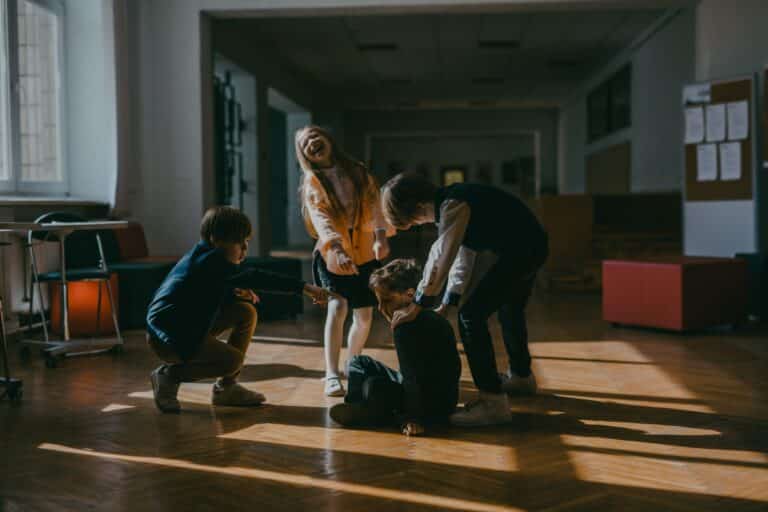
Bully Proof Your Child Podcast: Using Humor to Handle Conflict
Bullying is one of the most challenging issues kids face today, and having practical tools to handle these situations can make a lasting difference. In Lesson Two of the 12 Ways to Walk Away with Confidence curriculum, we explore how humor can be used as a powerful strategy to defuse bullying and interrupt tense situations.
While bullying is never funny, the thoughtful use of self-deprecating and lighthearted humor can change the dynamic and give kids the time they need to decide what to do next.
This episode emphasizes that humor is just one of many tools available to children. Through real-life examples, reflective questions, and engaging role-play activities, kids learn how to use humor in a way that doesn’t hurt others but instead promotes confidence and emotional resilience.
Whether you’re a parent, teacher, or counselor, this episode offers valuable insights into helping kids navigate conflict in a healthy and empowering way. Below, you’ll find the full podcast transcript for Lesson Two, along with key takeaways to support your bullying prevention efforts.
Looking for practical advice to help your child deal with bullying? Enroll in our online course and get weekly lessons packed with actionable tips to handle the situation with confidence.
Podcast Transcript
12 Ways to Walk Away with Confidence: Lesson Two Overview
Welcome back to the podcast. If you’re just tuning in, we are in the middle of a new series where we walk through our 12 Ways to Walk Away with Confidence curriculum, one lesson at a time. This program gives kids real, practical strategies to handle bullying and conflict in much healthier ways.
Understanding That Bullying Prevention Strategies Are Not One-Size-Fits-All
As we get into this, it’s important to note that these lessons are not one-size-fits-all. They’re tools, and just like any skill, they take practice. Some of them will feel more natural for certain kids, while others won’t, and that is totally okay and completely normal.
The goal with these twelve ways is to become comfortable using them and to apply them interchangeably depending on the situation.
Our Best-Selling Resources
-

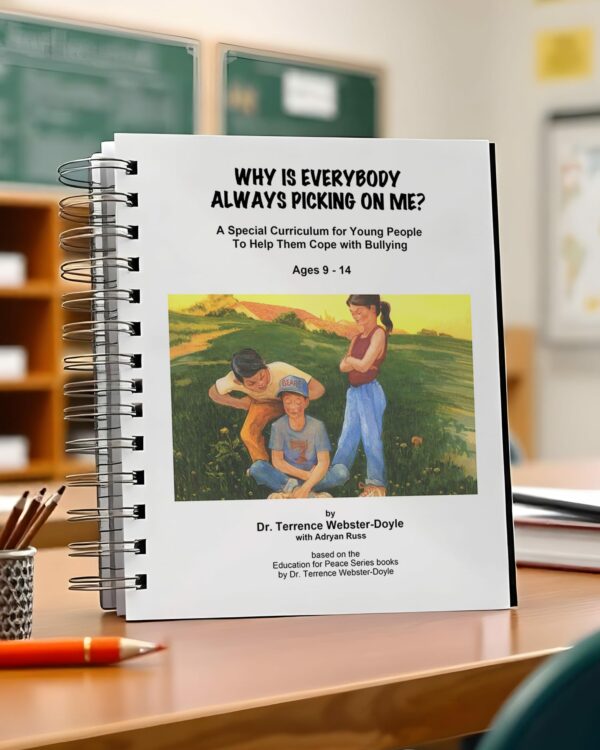
Why is Everybody Always Picking on Me? Curriculum
Available from $0 -
Respect: The Act of Being Kind to Myself
Available from $0 -
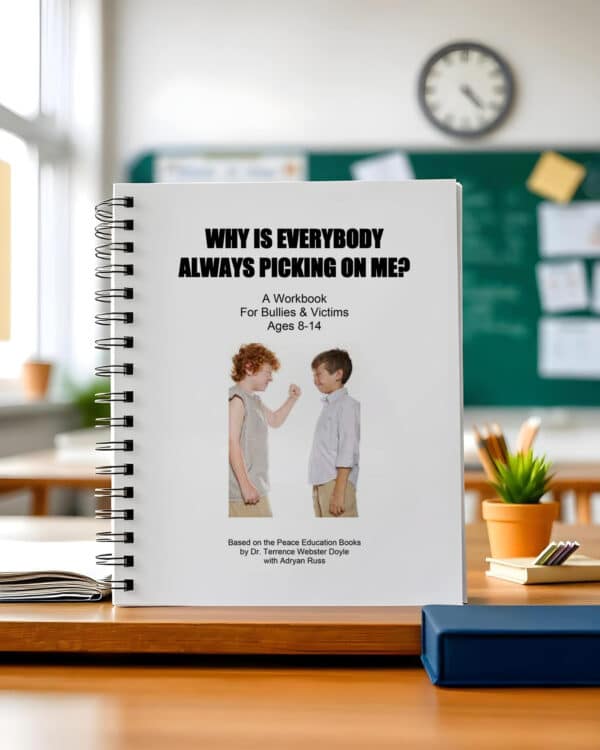
Why Is Everybody Always Picking On Me? Workbook
Available from $0 -
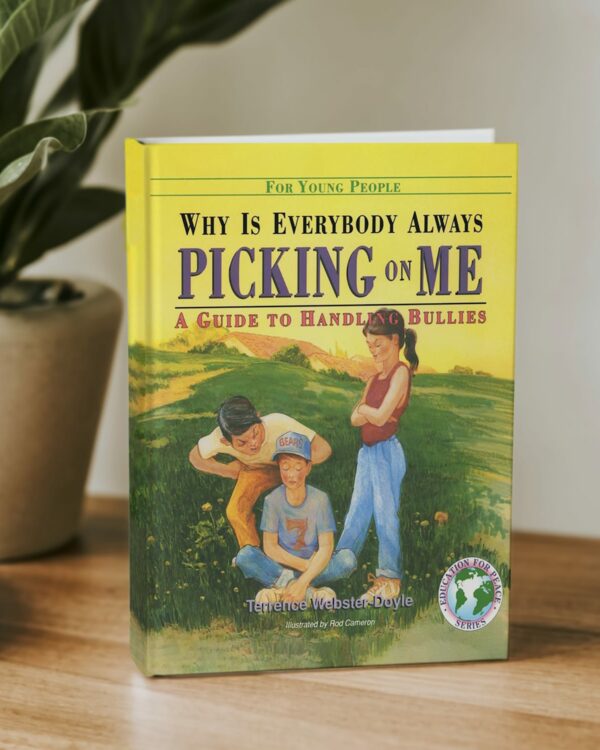
Why is Everybody Always Picking on Me? Book
Available from $0 -
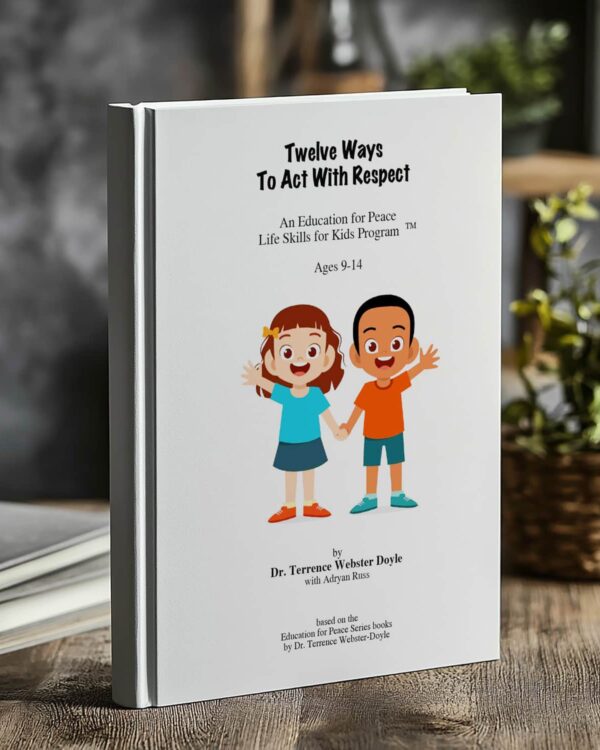
12 Ways to Act With Respect Curriculum
Available from $0 -
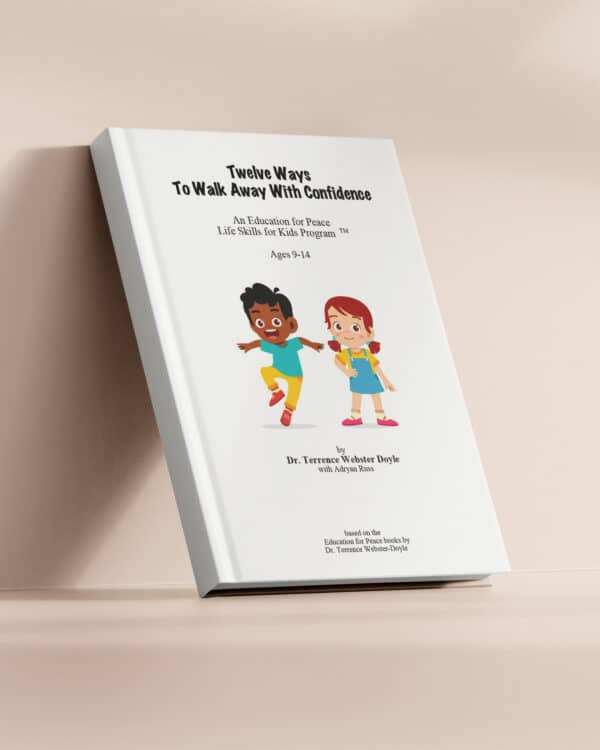
12 Ways to Walk Away with Confidence Curriculum
Available from $0 -
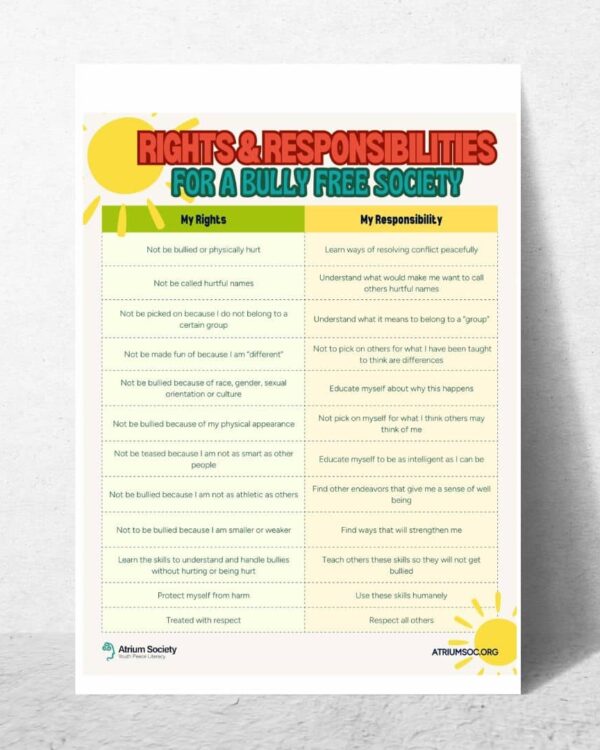
Rights & Responsibilities for a Bully-Free Society
Available from $0 -
Why Can’t I Do What I Want? Curriculum
Available from $0 -
Why is Everybody Always Picking on Us? Book
Available from $0 -
Why Do We Bully? Curriculum
Available from $0 -
The Complete Bully Busting Program
Available from $0 -
Why Am I Always Picking on Myself? Curriculum
Available from $0
Using Humor to Handle Bullying and Conflict
Today, we’re going to look at lesson two, which is about using humor. Just to be clear, this does not mean that bullying is funny, because it is not by any means. Humor is simply one tool that kids can use to defuse a situation and regain a bit of control in the moment.
It can interrupt the bully’s pattern and distract them from the tense situation they’re in, giving them a bit of time to think of a better move.
If you’d like more weekly tools like this, I highly recommend checking out our Bully Prevention Newsletter. We send out new resources and insights every week, so it’s a great resource.
All right, Gary, when you first introduced humor as a way to handle conflict for kids, how did the kids react to that?
When I first brought the subject up, they didn’t quite understand, because to your earlier point, bullying is not funny. What I tried to explain was that you can turn an insult into something very funny.
And I said that probably the most appropriate time to use humor is when you’re being insulted. I asked the class what some of the insults were that kids say to them. It would be things like, “You have four eyes,” “You’re fat,” “You’re ugly,” or “You’re stupid.” We then started to play off of those.
So I would have them give me an insult, and then I’d make something funny about it. They’d say, “You’re ugly,” and I would respond, “Well, not as ugly as the rest of my family.”
And they’d break out laughing. I was trying to teach them that self-deprecating humor is one of the most effective ways to defuse a bully, because the bully wants to hurt your feelings. If you use that kind of humor, it takes the wind out of their sails.
It does. You’re kind of agreeing with them and then turning it into a funny situation that they don’t know how to react to. So they’d be hurling everything at me, and I’d just turn it around.
I know this is not what kids typically do, but as Canadians, it’s something we do a lot. If someone says something we find ridiculous, especially online—like, “Do you have sidewalks?”—it’s just a very silly question, essentially trying to poke the bear.
We’ll go into extremely sarcastic responses like, “Oh yes, and we also have our house hippos and our igloos, but sometimes the sidewalks don’t quite reach the igloos,” which turns it into a really ridiculous situation. That’s how it is, and they get it immediately. It begins to diffuse the situation.
Another popular example was when someone would say, “He called me fat,” and I’d say, “Well, I’m not nearly as fat as I would be if they didn’t have to gate me off from the food when I go home.”
The kids would be roaring with laughter, but they got the idea that even though it’s self-deprecating, they don’t really mean it about themselves. They’re simply trying to turn it around and diffuse what the bully is saying.
Exactly. It’s important not to take whatever you’re saying about yourself to heart. It’s simply lightening the mood and making the situation so ridiculous that they don’t know what to do.
Or, you know, “four eyes” because you wear glasses. I’d say, “Well, I need six because I still can’t see right.”
So once kids start to understand, they see where we’re trying to go with this. Then we would practice by throwing insults at them and having them respond. They’re a little slow at first, but the more they practice, the quicker they become, and it becomes a tool they can put right in their back pocket.
Then they’ve had that practice and know what to do when they encounter that situation.
When we usually start this lesson, we like to ask kids a couple of questions, just like we did in last week’s podcast. I do encourage you to pause after each question and think about it yourself too, because again, just like all of our resources, they’re meant for kids, but as adults, you can find them extremely helpful too.
The first question is, why do you think using humor might be helpful when dealing with a bully? Just pause and think about that one.
And the second question is, do you think it helps keep the situation from getting scary? Even if the bully doesn’t laugh, could humor still take the wind out of their sails and diffuse the situation?
Teaching the Difference Between Helpful and Hurtful Humor
And finally, what is the difference between having fun with someone versus making fun of them?
I think that last question is really key because we are not encouraging kids to make jokes at someone else’s expense when they’re doing this. That can make the situation much worse and even turn them into a bully.
When we’re able to use humor in a playful and lighthearted way, especially self-deprecating humor, it doesn’t put anyone down. Instead, it helps adjust the situation and what is happening in the moment.
Is there a way you like to help kids understand the difference between using humor to help versus using it to hurt?
I always had one of my sons teaching with me, and I would demonstrate that using him.
The kids would hurl out insults and say, “Well, you’re stupid.” And I’d say, “Well, I’m not nearly as stupid as he is.” That’s not appropriate because it’s bullying him. Or they’d say, “You’re fat.” I might respond, “Well, he used to be much fatter than me.” Again, that shifts the insult onto someone else.
So if you’re directing the humor toward another person rather than yourself, it becomes hurtful. Instead, if you’re the only one in the room, you can say something like, “Well, you should see my family,” because they’re not present and not being hurt by it.
But you don’t want to directly hurt someone who’s in the room with you or someone everyone knows. And then after I’d insult them, I’d ask the class, “Is that the right thing to do?” They’d say no.
So they can recognize the different situations.
So it’s a good way to show those two different ways of responding to the same insult and to demonstrate what each version looks like—the one that’s hurtful to someone else and the one that isn’t.
The main point of this lesson is that the goal is to use humor to distract the bully and interrupt whatever threat is happening. While the bully is reacting to something you’ve said that is unexpected or silly, depending on your response, they’re likely no longer focused on hurting you or someone else in that moment.
And that little bit of time gives either the child who’s using it, or someone else in the vicinity, time to make a plan, think, and potentially get away or use another tool, depending on what’s happening.
Supporting Kids Who Don’t Feel Naturally Funny
Something with this that I think kids can get caught up in is the belief that not everyone is naturally funny. I personally don’t think I’m naturally funny. It’s never been a strategy that I felt comfortable using when I was younger, or honestly, even today. It just doesn’t come naturally to me. But the great thing about this curriculum is that you don’t have to master every single strategy, because there are so many different ones that you can use.
And that goes back to what we said earlier about picking and choosing what you’re using. But with that said, it’s still important to practice using humor because it’s a skill that can be developed the more you practice it. So even if kids find it uncomfortable because they don’t feel naturally funny or it doesn’t come easily to them, it’s still beneficial to practice it.
Yes. And our MAP STARS program includes some skits that you can do, which help you practice it.
That goes back to what you were saying earlier about showing kids the different ways to respond. If you don’t think you’re naturally funny, seeing examples of what that could look like can be really helpful.
And as you mentioned, it’s only one of the tools. We have twelve.
Have you ever spent time helping kids who don’t think they’re funny develop that skill specifically, or is that more in a group setting?
If they’re uncomfortable with it, after practicing a bit, they become a little more comfortable. If they’re inclined to use it, that’s great. But if they’re not, there are other things they can do.
The thing with humor is that if it feels forced, it doesn’t come across correctly.
And I find that boys tend to be a little sillier than girls, so they’re often more inclined to clown around and use it. Some girls are quite serious, although many of them still like to try using humor. So it’s not one-size-fits-all.
But that’s why we’ve got a whole bunch of tools. Lots of tools.
Practicing Bullying Prevention Skills Through Role Play
The activity for this particular lesson is a role play called I Don’t Get It, which is helpful for learning how to use humor. I’m not going to go through the whole script here, you can download the full version, since it’s a bit too much to cover in a podcast.
But in the script, there is a child called Tweedledee who is approached by the bully, Tweedledum. I love the names in this. The bully is demanding money from Tweedledee.
Instead of panicking or arguing, Tweedledee pulls a fake dollar bill from behind the bully’s ear and jokes about it being toy money. The bully gets flustered and eventually walks away without a fight. It goes on for a little bit. There’s a little bit more to it than that, but that’s kind of the gist of it. It’s definitely a silly roleplay.
It shows kids how having a surprise or a lighthearted moment, or any kind of humorous response, can shift the situation and change the outcome of what’s going to happen.
If we look at this scenario, the bully could have taken the money from the child, but Tweedledee turned that around. It’s a good way to demonstrate different types of humor that can be used, whether it’s self-deprecating or simply joking around.
It kind of feels like a magic skit almost.
Yes. And then you can build on that skit and say, “Well, okay, if you’re not carrying fake money, what else could you do in that situation?” Then we would go around the room, and I remember one of the answers was, “Well, my mother doesn’t trust me with money.”
So the child might say, “No, I don’t have any money.” And then the bully responds, “Well, then you’re stupid.” The child replies, “Yeah, of course I am.”
This approach keeps the interaction moving by going along with the situation and turning it around with humor. It can be a great exercise for teachers or parents to come up with different responses that a child could use in similar situations.
Creative and Silly Responses to Shift Bullying Situations
Instead of having the money that they’re pulling from behind the ear, what other things could you use to distract or change the situation? You could pull your pockets inside out. Just any kind of silly action can work.
Boys are often more inclined toward this because they like to clown around and be playful.
Key Takeaway: Humor as a Tool to Break Tension
Really, the main takeaway from this lesson and this episode is that humor is a great way to shift the situation a little bit to break the tension, and hopefully help the child not feel quite so scared about what’s happening.
Obviously, this isn’t going to work for every child or every single moment, but it is definitely still worth exploring. I do recommend trying this out with your kids or your students.
Even thinking more playfully can give kids enough space to pause and decide what to do next in the situation. Like all the tools in this program, it gets easier the more you use it.
All that really matters is to keep showing up, practicing, trying, and growing with your kids, because the strategies you use to teach them will help, even if you’re not perfect at teaching them. And keeping in mind that bullying really is one of the most profound issues that children face today.
Thank you for joining us for lesson two. In our next lesson, we’ll be talking about what it means to walk away. We’re very excited about this one, as it’s what our curriculum is named after.
We’ll see you then, and we’re excited for you to continue learning.