
Bully Proof Your Child Podcast: Why Emotional Intelligence Matters in Bully Prevention

Bullying prevention often focuses on what’s happening in the moment, but there’s usually more going on beneath the surface. In this episode, we take a closer look at why emotional intelligence plays such an important role in reducing bullying and creating safer, more supportive environments for students.
When kids build skills like self-awareness and emotional regulation, they start to handle situations differently. They pause instead of reacting right away, and they begin to notice how others are feeling. Over time, that changes how they approach conflict and how they relate to the people around them. Rather than relying on rules alone, this approach looks at what’s driving behavior and helps kids respond in more thoughtful ways.
Below, you’ll find the full transcript, along with insights and strategies you can use to support kids as they develop emotional awareness, both in the classroom and at home.
Looking for practical advice to help your child deal with bullying? Enroll in our online course and get weekly lessons packed with actionable tips to handle the situation with confidence.
Podcast Transcript
Why Emotional Intelligence Matters in Bully Prevention
I’m here solo today, and we’re going to talk about why emotional intelligence really matters in bully prevention. As you know, bullying continues to be a widespread issue that leaves many students feeling isolated and unsafe.
Moving Beyond Traditional Anti-Bullying Approaches
Traditional anti-bullying programs tend to focus on punishment or strict rules. While these approaches may bring short-term results, they often overlook the root cause of bullying.
What we need to do is shift our focus toward true bully prevention education, which includes empathy and emotional intelligence. These are critical life skills that can transform how children relate to each other, which helps them build stronger relationships and navigate social challenges with kindness and understanding.
Since empathy allows children to view situations from someone else’s perspective, it helps build compassion and reduces the likelihood of harmful behavior.
Emotional intelligence goes further by equipping kids with the tools to manage their own emotions and interpret the emotions of others. Together, these skills help create safer and more inclusive school environments where bullying becomes less prevalent.
Our Best-Selling Resources
-

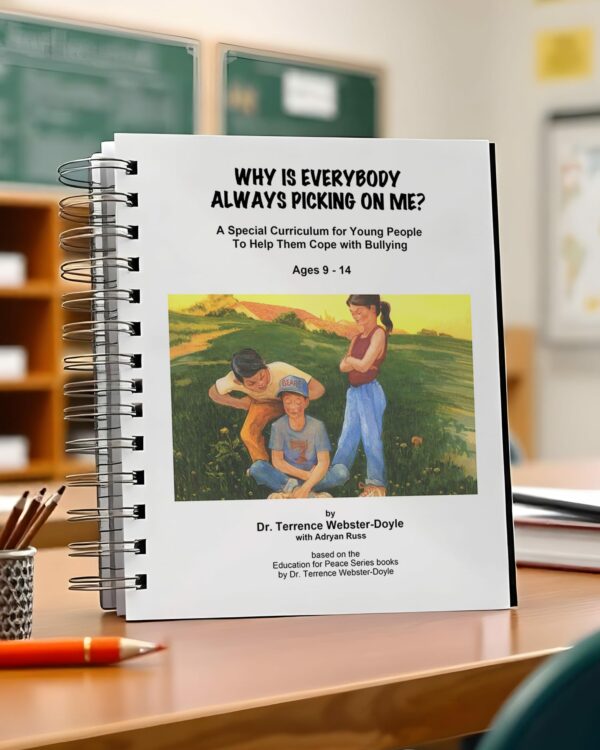
Why is Everybody Always Picking on Me? Curriculum
$100.00 -
Respect: The Act of Being Kind to Myself
$100.00 -
Why Is Everybody Always Picking On Me? Workbook
$50.00 -
Why is Everybody Always Picking on Me? Book
$25.00 -
12 Ways to Act With Respect Curriculum
$100.00 -
12 Ways to Walk Away with Confidence Curriculum
$100.00 -
Rights & Responsibilities for a Bully-Free Society
$75.00 -
Why Can’t I Do What I Want? Curriculum
$75.00 -
Why is Everybody Always Picking on Us? Book
$25.00 -
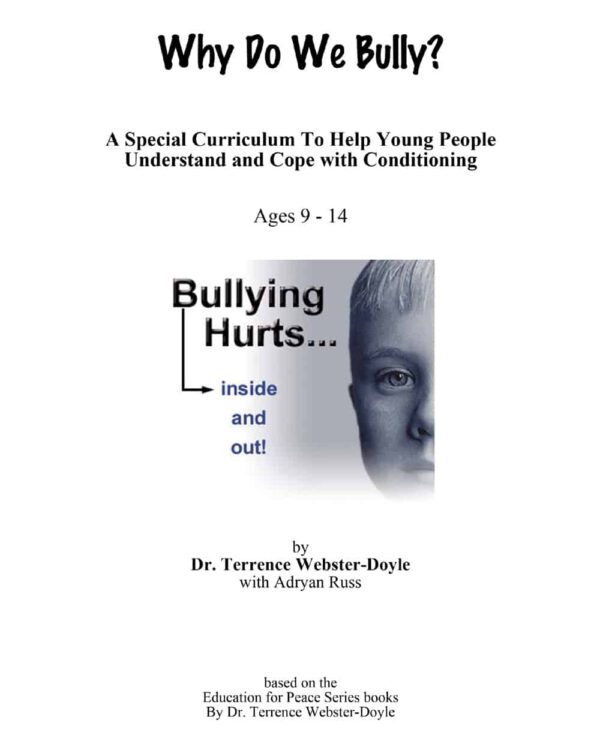
Why Do We Bully? Curriculum
$100.00 -
The Complete Bully Busting Program
$100.00 -
Why Am I Always Picking on Myself? Curriculum
$100.00






What Is Emotional Intelligence and Why Does It Matter
So, what is emotional intelligence, and why does it matter? Before we get into this episode, I think it’s important that we really understand where we’re coming from.
Emotional intelligence refers to the ability to recognize, understand, and manage your own emotions while also recognizing and responding to the emotions of others. It plays a crucial role in shaping how individuals handle social interactions and build meaningful relationships.
Key Components of Emotional Intelligence in Kids
Emotional intelligence includes several key components.
Self-awareness is recognizing your own emotions and understanding how they influence your behavior.
Then we have self-regulation. This is controlling your emotional impulses and responding calmly in different situations.
Then we have motivation. This is setting and pursuing goals, even when faced with challenges or setbacks.
We have empathy, which is understanding and sharing the feelings of others.
And finally, social skills. This is how you build positive connections, communicate effectively, and resolve conflicts in constructive ways.
Children who develop emotional intelligence are better equipped to navigate social challenges, manage their emotions, and respond to conflict with empathy and respect. These abilities are essential for bully prevention because they reduce the likelihood of aggressive or harmful behavior.
Why Empathy Is Essential in Bully Prevention
Now that we understand what emotional intelligence is, why does empathy matter in bully prevention?
Empathy is a cornerstone of emotional intelligence.
It allows kids to put themselves in someone else’s shoes and consider how their actions affect others. When children learn empathy, they are less likely to engage in bullying behavior because they can recognize the pain it causes. Empathetic kids are also more likely to stand up for peers who are being mistreated.
They’re also better at resolving conflicts peacefully and building inclusive communities where everyone feels valued. Research has actually shown that children with higher levels of empathy are less likely to exhibit bullying behavior. Instead, they tend to make positive choices that promote kindness and respect.
Teaching empathy is about more than simply asking kids to be nice. It involves helping them understand the emotions of others and encouraging them to take meaningful actions that demonstrate care and compassion.
How Emotional Intelligence Prevents Bullying Behavior
Now, how does emotional intelligence help prevent bullying? This is a big question we want to explore today.
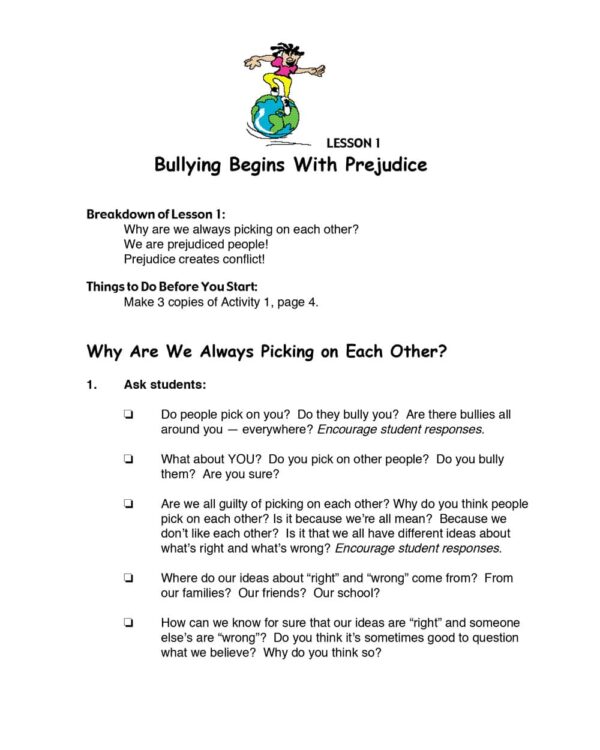
Emotional intelligence addresses the root causes of bullying by helping kids manage their emotions and respond to social situations with understanding and self-control. We’ve always said that the root of bullying is prejudice.
Here are several ways that emotional intelligence contributes to bully prevention.
Improving Emotional Control to Reduce Bullying
The first is improved emotional control. Children may engage in bullying behavior because they struggle to manage emotions such as anger, frustration, or insecurity. Teaching emotional regulation can help reduce these impulsive behaviors.
When children learn to recognize their emotions and respond calmly, they are less likely to lash out at others. Children who can regulate their emotions are better equipped to handle conflicts without resorting to aggression. They learn to pause, reflect, and choose constructive responses instead.
Building Empathy to Reduce Harmful Behavior
They also develop increased empathy. This is probably not a surprise, but empathy plays a significant role in preventing bullying. When kids understand how others feel, they are less likely to say or do things that cause harm.
Empathy encourages children to think before they act and consider the impact of their words and behavior on others. Practicing empathy helps kids form deeper relationships with their peers. They become more likely to support someone who is struggling and step in when they see bullying happening.
Teaching Healthy Conflict Resolution Skills
This sense of responsibility toward others helps reduce the overall prevalence of bullying. They also develop healthier conflict resolution skills. Conflict is a natural part of social interactions, but how children handle disagreements makes a big difference.
Emotional intelligence teaches children how to resolve conflicts in peaceful and constructive ways. For example, instead of resorting to name-calling or physical aggression, they learn to communicate their feelings and find solutions.
Children who develop conflict resolution skills are more likely to prevent disputes from escalating into bullying incidents. They approach disagreements with patience and understanding, which helps maintain a supportive school environment.
Strengthening Social Connections to Prevent Bullying
Finally, they can build stronger social connections. Children with higher emotional intelligence are able to develop more positive relationships with their peers.
This sense of connection and belonging reduces feelings of loneliness and isolation, which are often contributing factors to bullying behavior. When kids feel included and valued by their peers, they’re more likely to treat others with kindness and respect. Strong social bonds also make it easier for students to recognize when someone is struggling and offer support.
How to Teach Emotional Intelligence in Schools
So this probably all sounds really interesting, but how do we actually go about teaching empathy and emotional intelligence in schools?
I have quite a few ideas that we’re going to go through. A big takeaway here is that incorporating empathy and emotional intelligence into school programs requires a proactive approach. Schools can help students develop these essential skills through a few different strategies.
Modeling Empathy in the Classroom
The first is to model empathetic behavior. Teachers and school staff play a critical role in setting the tone for empathy within the school community. When children see adults treating others with kindness and understanding, both other adults and kids, they’re more likely to adopt those behaviors themselves.
Simple actions, such as listening attentively, acknowledging emotions, and offering help, all demonstrate empathy. Teachers can create a classroom environment where empathy is expected by consistently modeling these behaviors.
Using Stories to Teach Empathy
Another great way to do this is by using stories to teach empathy.
Books and stories are powerful tools for teaching empathy. They allow children to explore perspectives and experiences they may not have had, which helps them understand how others might feel in different situations. Discussing characters, emotions, and actions encourages students to reflect on their own behavior and how it affects others.
Stories provide a valuable opportunity to practice empathy in a safe and controlled setting.
Encouraging Active Listening in Students
We can also encourage students to practice active listening during interactions with their peers. Active listening involves giving full attention to the speaker, avoiding interruptions, and responding thoughtfully.
Active listening helps students understand their peers’ perspectives and emotions because they’ve taken the time to truly listen and go deeper into what’s being said. It creates mutual respect and builds stronger connections, making it easier for students to resolve conflicts without aggression.
Teaching Emotional Vocabulary for Better Communication
Another great strategy is to teach emotional vocabulary.
This might seem a bit small, but when kids have a strong emotional vocabulary, they’re able to identify and express their emotions more accurately. When they can name their emotions, they’re better able to manage them and communicate their needs.
It also helps kids understand others’ emotions, which is a key part of empathy.
Students learn to recognize emotional cues and respond appropriately, which reduces misunderstandings and conflicts.
Role-Playing Social Situations to Build Skills
Finally, you can role-play social scenarios. Stories and role-playing different social situations allow students to practice empathy and conflict resolution in a controlled environment in ways they might not usually be able to.
These exercises help students explore how their actions affect others and learn appropriate responses to different challenges. Role-playing also builds confidence in handling real-life situations, such as standing up for a peer or resolving a disagreement calmly. It helps students develop the skills they need to navigate social interactions successfully.
Long-Term Benefits of Emotional Intelligence
Okay, so what are the long-term benefits of emotional intelligence? The benefits of teaching empathy and emotional intelligence extend far beyond bully prevention. These skills contribute to students’ overall well-being and success in life.
Students who develop emotional intelligence are more likely to build healthy, lasting relationships, perform better academically, navigate challenges with resilience, become compassionate leaders, and contribute positively to their communities.
Creating Lasting Change Through Empathy
Over time, teaching empathy creates a ripple effect. It promotes inclusivity and support within communities and reduces bullying and other harmful behaviors. When kids grow up with strong emotional intelligence, they are better equipped to create environments where kindness and respect are normal.
Bully Prevention Is a Team Effort
To wrap this up, preventing bullying is a team effort. Proper bully prevention is about more than enforcing strict rules. It’s about encouraging emotional growth and helping kids develop empathy and self-awareness.
By teaching emotional intelligence, we can address the root causes of bullying and create lasting change in our schools and communities. As parents, teachers, and caregivers, you all play an important role in this process. By modeling empathetic behavior and encouraging emotional growth, adults can help kids navigate their emotions and social interactions with greater understanding and compassion.
The Future of Bully Prevention
The future of bully prevention lies in empowering kids with the tools they need to understand themselves and others. By prioritizing emotional intelligence, we can build a world where bullying is greatly reduced and every child feels valued, respected, and supported.