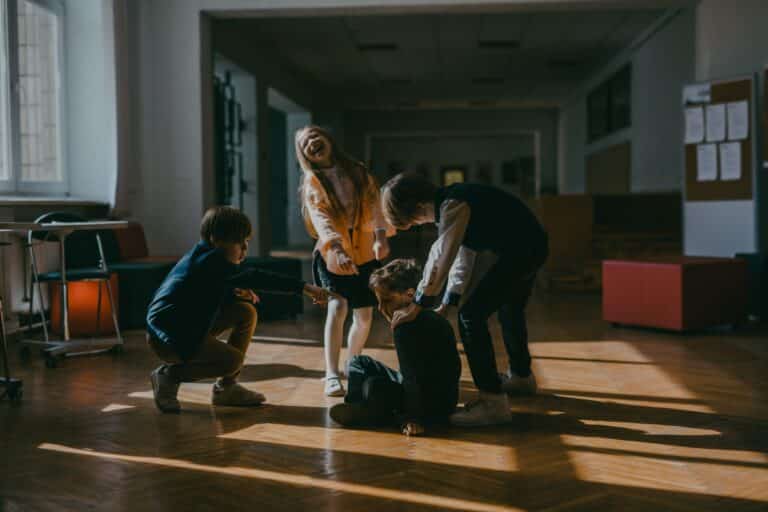
Bully Proof Your Child Podcast: How to Make Bullying Education Fun
Teaching kids about bullying doesn’t have to feel heavy or overwhelming. In this episode of Bully Proof Your Child, we explore how bringing fun, playfulness, and creativity into bullying education can make lessons stick and help kids build confidence, empathy, and real-life skills they’ll carry for years to come.
Sam and Gary share practical ideas for parents, teachers, and caregivers, from role-playing and storytelling to movement-based activities and kindness challenges. You’ll hear how these simple, engaging strategies can break down walls, start meaningful conversations, and give kids the tools they need to handle difficult situations with confidence.
Whether you’re teaching at home, in the classroom, or at camp, this episode is packed with tips to make bullying prevention interactive and impactful.
Looking for practical advice to help your child deal with bullying? Enroll in our online course and get weekly lessons packed with actionable tips to handle the situation with confidence.
Podcast Transcript
How to Make Bullying Education Fun
Welcome to Bully Proof Your Child, this is the podcast for parents, teachers and anyone who wants to help kids grow up kind, confident, and resilient. I’m Sam, a teacher trainer, and I’m here with Gary, who is martial arts teacher with a degree in psychology and a long time children’s learning center owner.
Together, we’ve been involved with the Atrium Society for over 30 years. In each episode, we share practical, proven tools from the Atrium Society’s 40+ years of peace education. It’s all based on the groundbreaking work of Dr. Terrence Webster-Doyle, who was a pioneer in bully prevention and emotional intelligence for kids.
You’ll hear lessons from MAP STARS, which is a signature program that helps kids build confidence, manage conflict peacefully, and grow into strong, compassionate leaders. These resources are simple, effective, and they’re made for everyone and we are so glad you’re here today.
Today we’re going to talk about something a little unexpected, which is how to make bullying education fun.
If we’re being honest, these conversations can feel intimidating because the topic itself is serious. But the way we teach it doesn’t have to be. It can actually be a lot of fun.
If we’re able to make it interactive and playful, kids are much more likely to take in the message and have it really stick.
Why Making Bullying Education Fun Matters
Something we really need to remember is that kids learn better when they’re engaged. It also lowers the pressure and creates a space where they feel safe, open, and actually want to participate.
That’s what we need in bullying education. Otherwise, it can really fall flat.
Today we’re going to talk about real ways you can bring that fun energy into your classroom, your home, or your camp group—wherever you’re teaching.
To start, let’s dig into why it matters to make bullying education fun.
How Engagement Helps Kids Learn and Open Up
The first thing is that it really builds engagement, which is what we want. When it’s fun, kids actually want to pay attention and be involved. When the lesson feels like a chore—and I can attest to this, even as an adult—you check out and don’t want to do it.
But if we can make something feel like a game or a challenge, something fun they actually want to participate in, they’re usually all in. Kids are pretty easy to get involved when it’s fun. They’re way more likely to listen and way more likely to remember it, too, because they’re engaged in what they’re learning.
Learning Through Play and Interaction
Gary, I know you’ve worked a lot within your school. Have you seen some examples of this play out?
Oh yeah, absolutely. When I first start working with kids on the subject of bullying, I’ll pull out a great big pad and ask them, “What is a bully?” and I’ll get various answers. It’s always, “Oh, they’re mean,” and “they’re no good.”
Then we go to the next phase: “What does a bully look like?” The kids in the class will get up and make the face of a bully, and the other kids will laugh and say, “No, no, my experience is this,” so they’ll get up and show what a bully is.
They start to engage with each other. They’re not nervous talking about the subject, and they happily participate.
Yeah, that’s great. And they’re really learning from each other too. If one of the kids is showing what their bully looks like, and another hasn’t encountered that, they get to see those different examples. There are all kinds of different bullies.
Yeah, that’s awesome. It really shows that fun reinforces the lesson.
For example, if we’re teaching empathy, we could define it and talk about it—and there’s definitely a time and place for those sit-down lessons—or we could engage kids through play. We could turn it into a game where they think about how someone might feel in different situations and really put themselves in that person’s shoes.
Instead of just hearing the word empathy and having a surface-level idea of it, they’re actually practicing what it looks like.
The same goes for things like assertiveness or teamwork. When kids get to practice those skills in fun, playful, and safe settings, they’re much more likely to use them again. It becomes more than just a theory they think about, it’s something they actually try out.
Teaching Empathy Through Real-Life Scenarios
A lot of times, what I’ll do is describe a sad story. “Sally went home and found out that her father got sick and had to be put in the hospital. How does that make you feel?” Then we go around the room. Nobody likes that, they’re all feeling sorry for Sally.
Then we branch out into bullying situations. “What do you think, Jimmy, on his bus ride home, had a bully yelling at him and making fun of him the whole time. How would that make you feel?” And we go around the room.
So we’re building empathy if you can identify with the victim, and ultimately if you can identify with the bully, because we’d come around to that too.
“What do you think is wrong with the bully? Why does the bully do this?” Their knee-jerk reaction would be, “Well, he’s mean.” And I’d say, “He’s mean… why?” And they’d say, “Well, maybe someone’s mean to him.” And I’d say, “Yeah.”
And all the while, they’re happy to chime in. Sometimes we’d even bring in a couple of hats, and someone would put one on and play the role of the bully. There was even a little corner that was a timeout corner, because the bully was in timeout most of the day for doing these things.
You get kids’ imaginations going, and they can grasp the whole idea of bullying—how people feel about it and why it’s important to treat each other nicely.
It’s interesting too, doing it from having the kids practicing the bully and also the victim, because they’re really seeing both sides of that situation, then because if they’ve mostly only been a victim, then they are more empathetic to what’s going on with the bully and why they’re acting that way, or vice versa.
Making Difficult Conversations Feel Safe
It really shows that fun makes it a lot easier to talk about this, especially the emotional side of it. Talking about bullying isn’t usually everyone’s cup of tea. It’s not something most people want to talk about, but when you make it fun, the conversation becomes a little easier.
Oftentimes, kids—and adults too—when we’re on the receiving end of bullying, or if we’ve made mistakes we’re not proud of, it can make us want to shut down when the topic comes up.
If we can make it fun and a little less serious, those walls can come down for both kids and adults. I know it happens to me all the time—if a conversation gets too serious, those walls go up.
That’s why we want to make it fun.
When you can bring that energy into your classroom, or wherever you’re teaching this, and make it light, fun, and playful, kids feel safe in that. They’re much more likely to open up, have these conversations, and be receptive to what you’re trying to teach them.
You’ve probably seen this?
Yeah, the fun becomes serious. We start out by having fun, but we finish with a very serious conversation about how impactful bullying is and what we can begin to do about it. It’s a great warm-up exercise to get them paying attention and participating.
It makes it less scary. Instead of it suddenly feeling like we need to sit down and have a really serious conversation, it can feel playful, fun, and inviting to start that conversation.
And the MAP STARS program, it gives you some role play that you can use. And the 12 Ways to Walk Away curriculum, because what we do with some of the kids is we pick one of the twelve ways every week and we’d do a skit on it. I would have kids tell stories about how they could use it.
That’s such a great way to get their creativity going and practice what they could be facing in real life.
Anti-Bullying Resources
-

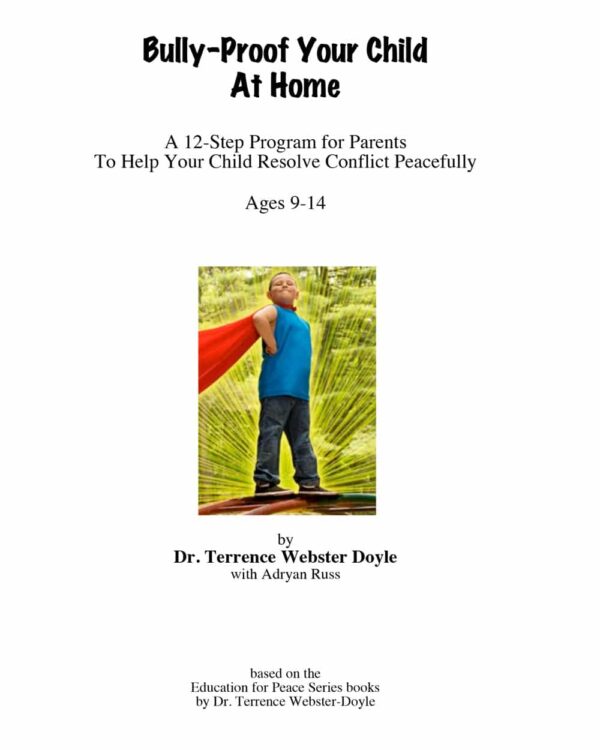
Bullyproof Your Child at Home Curriculum
Available from $0 -
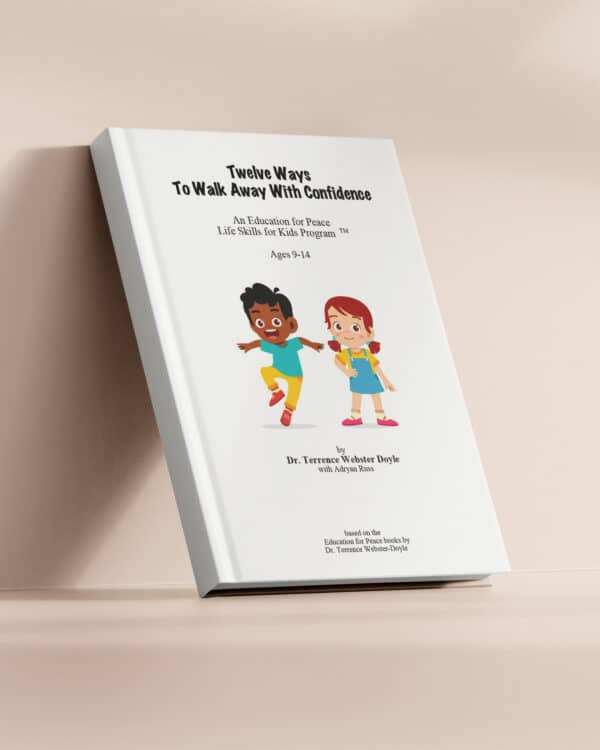
12 Ways to Walk Away with Confidence Curriculum
Available from $0 -
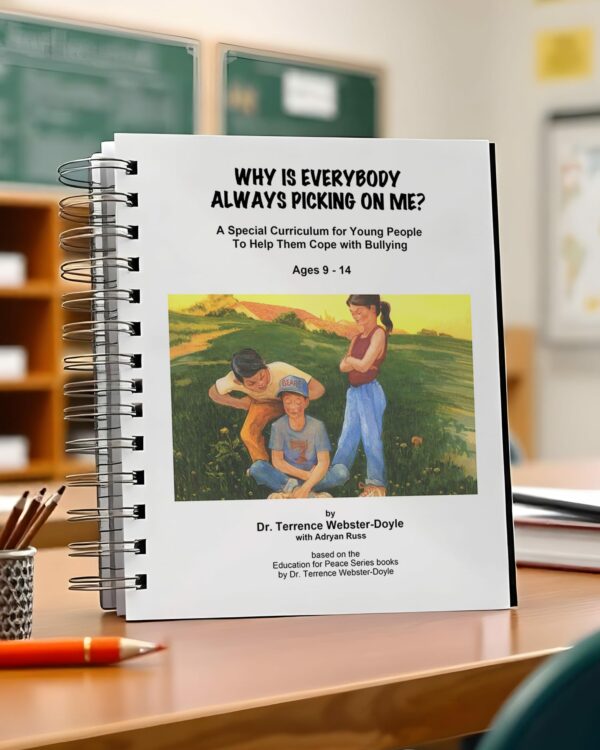
Why is Everybody Always Picking on Me? Curriculum
Available from $0 -
Why is Everybody Always Picking on Me? Mini Curriculum
Available from $0 -
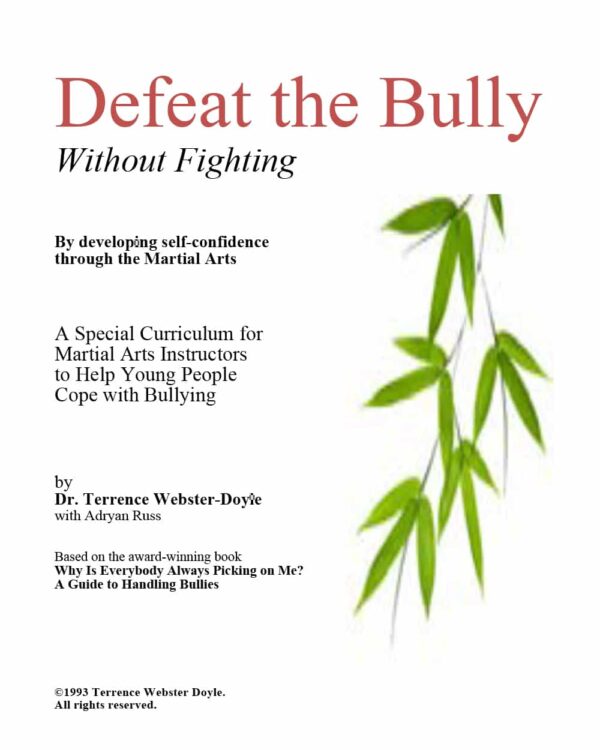
Defeat The Bully Without Fighting Curriculum
Available from $0 -
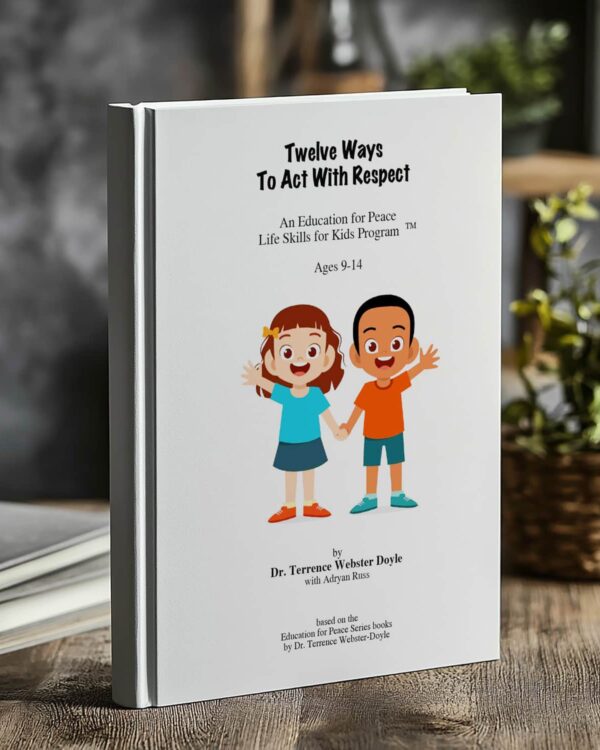
12 Ways to Act With Respect Curriculum
Available from $0 -
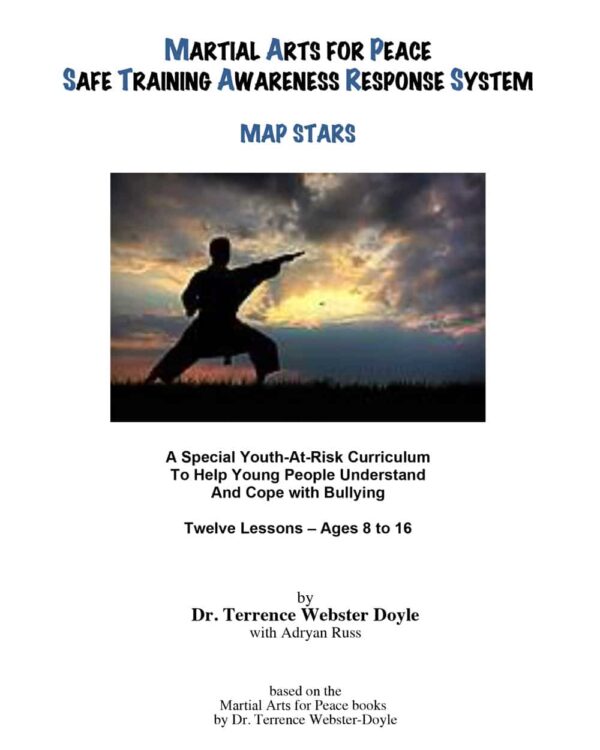
MAP STARS Curriculum for At-Risk Youth
Available from $0 -
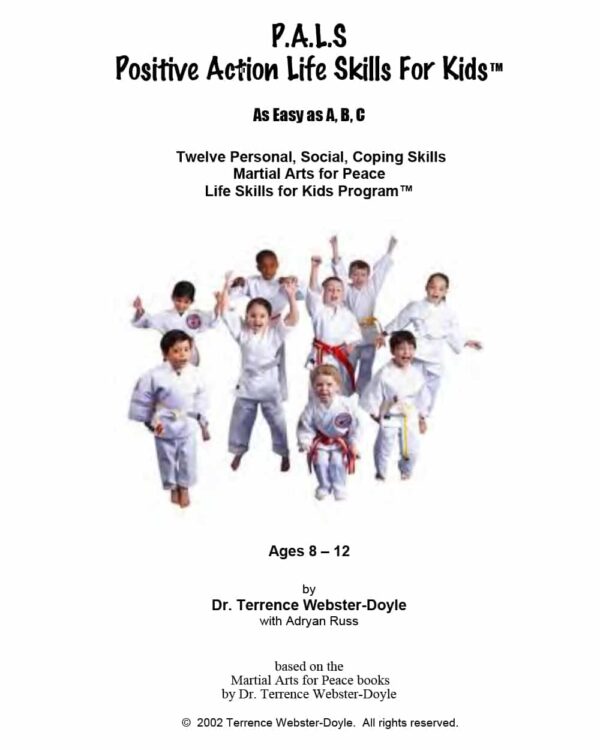
PALS Life Skills Curriculum
Available from $0

How Role-Playing Helps Kids Practice Real Situations
Now that we know why it’s important to bring fun into this serious conversation, we can talk about what that looks like in practice.
You already mentioned one of the best ways to do that, which is role-playing. It’s a great way for kids to practice those tricky situations without it being real. They can use simple scripts, which we have in MAP STARS and 12 Ways andall our other curriculum.
We can use those scripts and scenarios to let them figure out what these situations look like together. It gives them a real chance to think through different situations and try out different responses—seeing what feels comfortable to say and what their friends are saying.
It’s a great way to get new ideas in a safe setting, so they feel comfortable practicing this.
Gary, you were just saying you’ve done a lot of role plays with your students. What has that looked like, and what kind of impact has it had on them?
Using Real-Life Experiences to Deepen Learning
Well, what it does is we start out with a simple role play that’s more of a fantasy—Billy on the school bus yelling at someone—and then it becomes real, because the children start to modify it. “Well, you know what really happened?”
You’re able to dissect some of those stories and begin to solve the problems. I think role play is a great way to get the ball rolling.
We could do one script and spend two weeks on it, because every child has a different take. What we’re doing is deepening the learning of what causes bullying and beginning to teach them how to diffuse it. And how to respond to it. When you’re able to bring in situations that are actually happening to those kids, you’re really helping them learn how to respond when it happens again.
Storytelling as a Tool for Bullying Prevention
Another thing we often like to use is storytelling. Dr. Terrence Webster-Doyle has written many books that are great to use, because stories are such a powerful way to learn. It’s very different from sitting through a lesson, which can feel a little boring for kids.
We can also use those stories to have kids pull out their own lessons from them.
Helping Kids Take Ownership of Their Story
They can write their own story based on what’s happening to them. They can create a comic or something similar, so they’re telling their own story and sharing their values, their choices, and how they want to treat others through that.
It gives them ownership over their story, too. It lets them name what’s happening, reflect on it, and create something meaningful around it, which is really great.
One of the favorite stories with the kids in my class was from Dr. Terrence Webster-Doyle’s book Why Is Everybody Picking On Me?, and the story is called The Day of the Bee Sting.
What happened was, as a young boy, Dr. Webster-Doyle was terribly bullied. One day in his backyard, the bully pushed Terrence down and got on top of him, and a bee stung Terrence.
Now, Dr. Webster-Doyle was about six-foot-six—a big guy—so I assume he was big even at a young age.
Anyways, the effect of the bee sting and the pain made him jump, and the bully who was on top of him landed about 10 feet away.
We’d go around the room and ask, “What was the moral of the story?” And of course, Terrence’s takeaway was that there was a truth right there: he was much more powerful physically than the bully. So there was a lesson there.
And when you get into the MAP STARS program, you’ll find that bullying is pretty superficial. I can speak more to males than females, but if a boy detects that the person he’s about to bully is physically superior, he usually won’t go after him. That’s one way to get out of it.
Kids love that story. It was always a favorite.
Did they ever have their own stories that were similar?
Yes, well, I know of one. This young man was pretty introverted and never liked to talk about himself, and he had martial arts training from me. He was outside his school waiting for the bus, and some bullies started coming at him.
He was sidestepping them, throwing one down, sidestepping, throwing the other one down, and then got onto his school bus to go home. His mother told me this—he knew how to take care of himself, but more than anything else, he understood what they were trying to do, and he wasn’t frightened.
Building Confidence Through Movement and Body Language
That is so important, and it leads right into our next point, which is how movement is so important in bullying education.
That’s a big part of a lot of our lessons, especially in MAP STARS, where we teach things like physical activities—learning body language, understanding personal space, and how to carry yourself. We also include some basic martial arts movements so that in situations like that, you feel confident in yourself.
You learn how to take up your own space and show that confidence to the world in a respectful way. It helps kids feel much more confident—not just in their minds, but physically as well.
He actually did this from lessons we used to do. We called it Matador. You’d stand there, and someone would run at you, and you’d blade your body, step to the side, and if their head was down, gently push on the back of their head. That would make them fall because they were off balance.
Especially with children, their heads are disproportionately heavier than the rest of their body, so that’s what happened.
But he was just using the lessons we practiced in school. You don’t have to be a very skilled martial artist to do that; we used to practice it every week or so.
Why Physical Practice Builds Real Confidence
Having these movements is great for kids who struggle to sit still, because it makes it much more engaging and fun for them.
I found that in my class, the younger ones might give you about 10 minutes of attention, maybe less if they were really young. So I used to blend in exercise and martial arts drills, and then when they were winded and tired, I’d sit them down and talk things through. We’d probably do that twice in a 45-minute session.
But they’re learning so much more too. When they’re doing the martial arts moves, they’re learning bullying education in a different way—and they’re having fun doing it. Some of these moves are in the MAP STARS program.
Using Kindness Challenges to Build Positive Habits
Finally, another great way to bring fun into your bullying education is through kindness challenges.
This works well for all ages and doesn’t take much time. It’s easy to incorporate and works in both school and home settings.
Gary, have you ever done this, or do you have any go-to ideas?
Yeah, we would do a couple of things. Parents would always complain to me, “He won’t clean his room, he won’t put his clothes away, he won’t put his shoes back where they’re supposed to be.”
So we used to have an “orderly” exercise. I’d say, “This week, I want you to go home and do these things without being told. Just do them. Clean up your bedroom, put your clothes in the hamper, and put your shoes where they belong.”
With varying success, but we’d do that.
Teaching Respect and Manners Through Practice
And then we’d move to the next step—looking an adult in the eye and saying thank you when you get something, or saying please when you’re asking for something.
I had one student say to me, “When I say please, adults like me.” And I said, “Yes, it works both ways.” They do like you, and you feel good about doing it too.
Building Stronger Connections Through Kindness
Yeah, and that kindness—you have to practice it. We’d go through a little drill: say something nice about the person to your left, say something nice about the person to your right.
Did you notice that after doing that, there was a change in the kids?
Well, they became closer as a group. And with the martial arts moves we were doing, they had to learn from each other. The kids who had been doing it longer knew how to do it better.
I always told the upper belts in my class, “You help the lower belts. That’s part of it. I’m helping you as an upper belt, and you need to show that same courtesy.”
Teaching Kids to Treat Others with Respect
And we always had people bow to each other. I know that’s an Asian tradition, but what it says is, “I am humble, and I respect you.”
So the black belt who’s been at it for 50 years and the white belt who just started—you’re both equal. You both bow to each other.
That’s such an important lesson to be able to take into the rest of your life too. To be humble and treat everyone with kindness.
And we would follow that up with, “How do you like to be treated?”
Parents say that to their kids all the time—“How would you like it if that happened to you?” Those are real-life lessons. In MAP STARS, we make that an important one.
Yeah, it’s not just something that’s said when a conflict comes up. It’s taught all the time, and it becomes a consistent lesson.
Why Celebrating Small Wins Matters
Something else we need to remember is to celebrate successes. We’ve been talking about ways to bring fun into bullying education, but we also want kids to see the results of that and the work they’re putting in.
We can recognize when they handle a tough situation well—maybe they’ve been in an argument or a conflict, or they’ve shown kindness, even when it’s been difficult for them.
I think it’s really important to point that out, celebrate it with them, and acknowledge that we see what they’re doing. That helps them realize that what they’re doing is important, that it’s being noticed, and that it’s making an impact.
Absolutely. I go back to my father—the most important thing to me was hearing him say, “Gary, that was a good job. Good job.”
Whether it’s through any of these things we’ve been talking about—role plays, art, movement, small acts of kindness—it’s important to remember that the goal of bullying education is to make it fun.
It makes it more engaging for kids. They’re more likely to remember it and use it, and it gives them better ways to interact when they find themselves in these situations.
Helping Kids Build Confidence That Lasts
These activities help build empathy and confidence in ways kids will remember because they’re experiencing and practicing them, not just listening to someone talk.
Yeah, it’s not something that happens overnight. It’s an incremental increase in their ability. That’s why there are so many modules to go through. But once they learn how to deal with bullies, they’ll always have that skill.
It’s something that will help them their entire life.
A Simple Way to Practice Bullying Prevention at Home
This week, let’s practice one thing. Pick a scenario that affects your child—keep it simple, but make it real to them—and act it out together.
Just practice and see how it goes. Make it fun. Don’t make it too serious or dramatic—keep it calm. It could be something like a friend teasing them or someone touching their stuff when they don’t like it.
Try out different responses and see what that can look like. Work through it together.
The goal really is not perfection, but rather just to practice and practice and keep going at it. It’s a journey.